

Four Months of Chaos: Why Ayatollah Khamenei’s Burial Was Secretly Postponed Amidst the US-Israel-Iran War
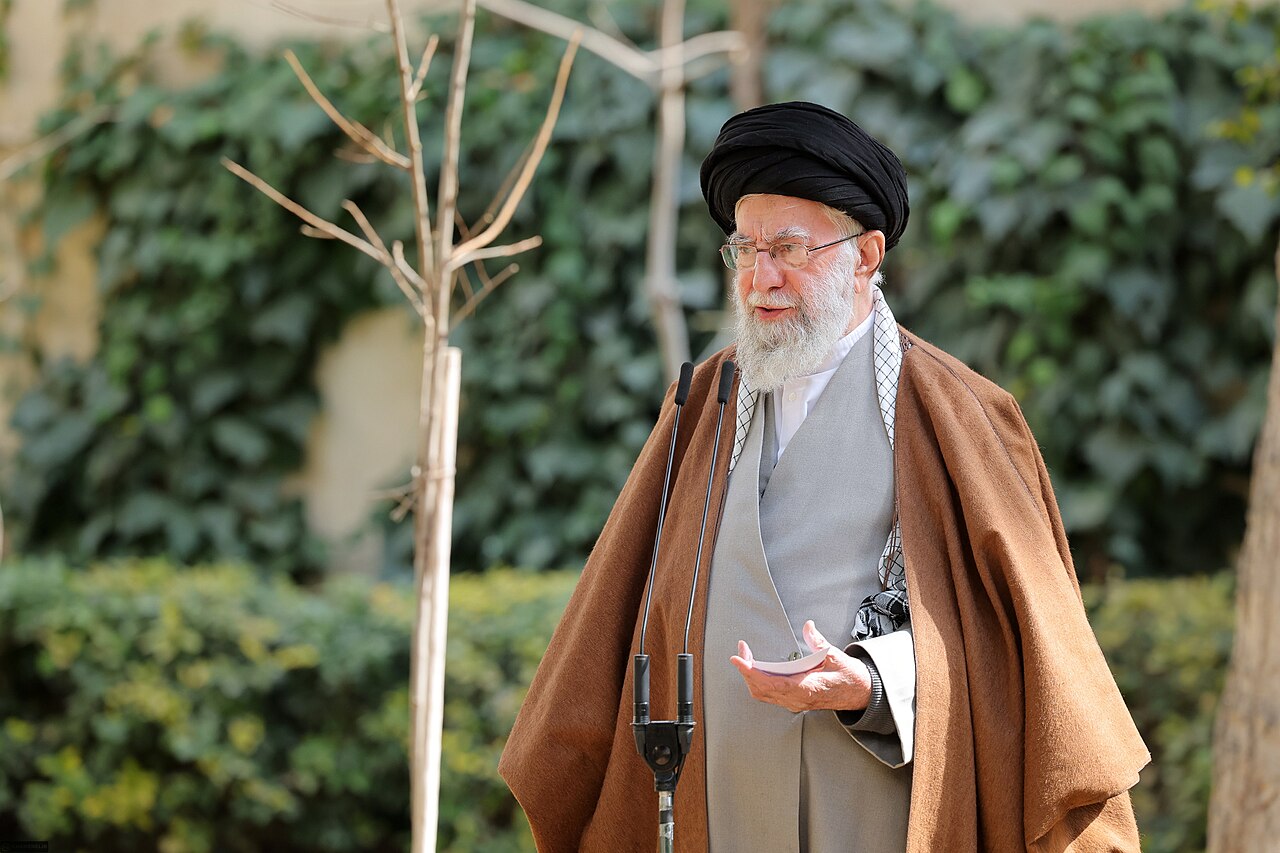
Iran has scheduled the funeral of its slain former supreme leader, Ayatollah Ali Khamenei, from 4 July to 9 July, with ceremonies beginning in Tehran and ending with his burial in Mashhad more than four months after he was killed in Israeli and US airstrikes. The announcement, carried by state media on Saturday, ends months of uncertainty surrounding funeral arrangements that had originally been expected to take place far sooner.
The funeral timetable emerged as US President Donald Trump claimed a separate agreement with Iran could be signed in Europe within days, placing the burial of Iran’s most influential modern leader against the backdrop of continuing diplomatic efforts to stabilise relations following the conflict.
Funeral Dates Finally Confirmed
Iranian state television said the funeral programme will begin in Tehran on 4 July, continue in the holy city of Qom on 7 July and conclude in Mashhad on 9 July.
Mashhad holds particular significance as Khamenei’s birthplace and home to the shrine of Imam Reza, one of the holiest sites in Shia Islam. Iranian media have also reported that Khamenei had expressed a wish to be buried near the shrine.
As fighting intensified and regional tensions escalated, Iranian authorities released little information about funeral preparations. No detailed public timetable emerged in the weeks following Khamenei’s death, fuelling uncertainty over when the ceremonies would be held.
The prolonged delay was notable given Khamenei’s position at the top of Iran’s political and religious system. More than four months passed between his death and the eventual announcement of funeral dates, an unusually long period for ceremonies involving a figure of such prominence.