OpenAI Faces New Lawsuit Over Suicide Of Young Woman Who Used The Chatbot
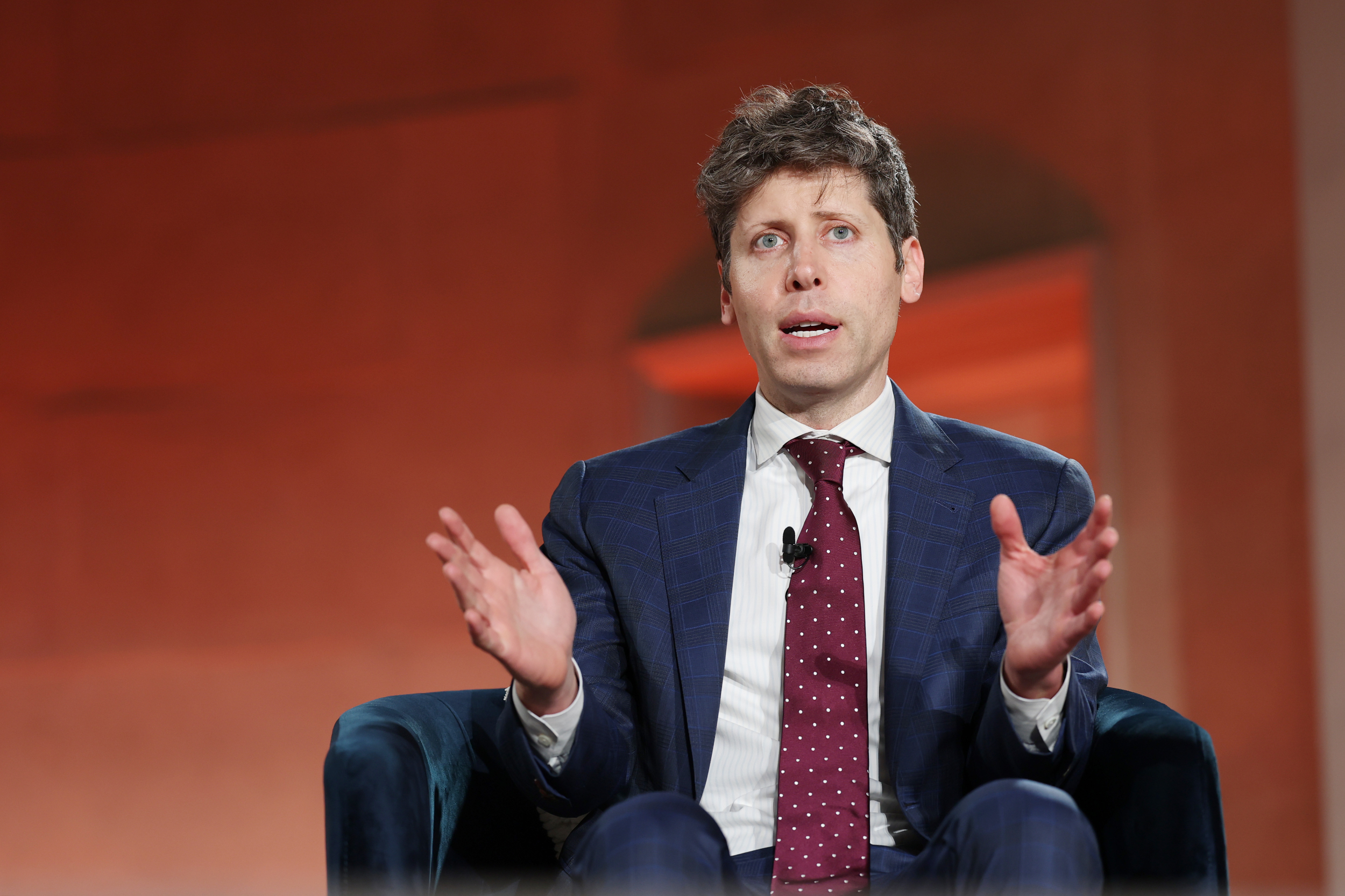
A lawsuit filed in California is accusing OpenAI’s ChatGPT of facilitating a young woman’s suicide in July 2025.
CBS News reported that 24-year-old Alice Carrier had been confiding in the chatbot leading up to her death.
Her mother, Kristie Carrier filed the suit. “Instead of helping Alice, OpenAI encouraged her darkest thoughts,” the document alleges. “Not once did OpenAI alert a crisis provider. Not once did OpenAI notify Alice’s family. Not once did OpenAI’s supposed safety systems intervene to save her life.”
The lawsuit also alleges that whereas a human therapist would have pushed back or intervened when Alice shared some of her darkest thoughts, ChatGPT “offered only consistent emotional affirmation.”
The website reported that Carrier was interacting with the ChatGPT 4o model, which has since been shut down by the company for what was described as its sycophantic tendencies. Carrier’s lawsuit is at least the third court action filed regarding ChatGPT 4o.
Last year, a family of a 16-year-old boy who killed himself also sued the company, alleging that the teenager’s suicidal thoughts were validated. It also claims that ChatGPT even offered to help write his suicide note five days before his death.
The Carrier lawsuit zeroes in on an update to the model which it claims led the ChatGPT to engage in more sycophantic behavior.
“OpenAI’s design modifications to maximize GPT-4o’s user engagement coincided with Alice’s escalating interactions with the chatbot,” the suit says according to CBS News.
OpenAI has already admitted that it’s update “made the model noticeably more sycophantic.” The company stated that it “aimed to please the user, not just as flattery, but also as validating doubts, fueling anger, urging impulsive actions, or reinforcing negative emotions in ways that were not intended. Beyond just being uncomfortable or unsettling, this kind of behavior can raise safety concerns—including around issues like mental health, emotional over-reliance, or risky behavior.”
In February of this year, it was announced that the model was being “retired.”
In a statement to CBS News, the company said the situation with Carrier was “heartbreaking.”
The statement went on to say that “Our safeguards are designed to identify distress, safely handle harmful requests, and guide users to real-world help. This work is ongoing, and we continue to improve it in close consultation with clinicians.”
Recent Top Stories
Sorry, we couldn't find any posts. Please try a different search.