Moon Settlements Could Begin Taking Shape In The 2030s As Space Firms Accelerate Plans, Industry Leader Says
Plans for human activity on the Moon in the 2030s are being discussed across government space agencies and private aerospace companies, with multiple programs moving toward long-duration operations beyond short-term missions, according to a new report.
Dylan Taylor, the chief executive of Voyager Technologies, said that industry development is now focused on systems required for sustained lunar presence, including transport infrastructure, orbital platforms, and surface operations capability, CNBC noted.
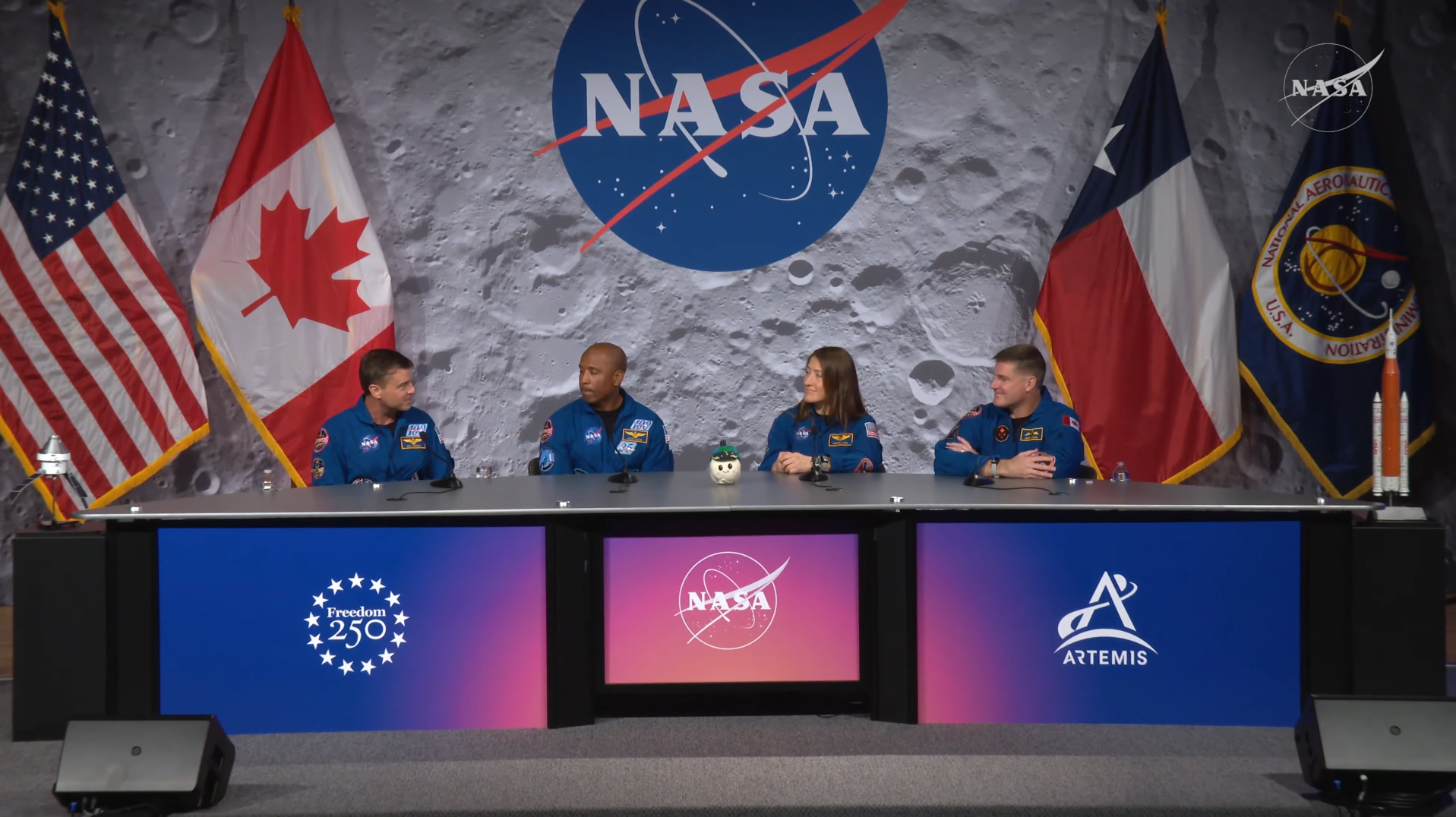
NASA’s Artemis program remains the central U.S. government framework for lunar missions. The agency has outlined plans for crewed missions later in the decade, followed by the deployment of infrastructure intended to support extended stays on and around the Moon. This includes the planned Gateway space station in lunar orbit and surface systems designed for longer-duration astronaut missions, according to NASA Artemis program documentation.
NASA has structured Artemis around collaboration with private companies for launch and transport services. The agency has already used commercial providers for cargo and crew deliveries to low Earth orbit and is extending that approach to lunar operations through contracted services and partnerships.
China is developing its own lunar program under the International Lunar Research Station framework, a joint initiative with Russia and other partners. The program includes plans for a lunar base to be built in stages during the 2030s, beginning with robotic missions and followed by crewed operations. According to SpaceNews, China has outlined a roadmap that includes a crewed lunar landing before 2030 as part of its broader lunar development sequence.
China and Russia have also discussed the possibility of constructing infrastructure on the Moon to support long-term operations. Reuters reported that the two countries have outlined cooperation on a potential lunar nuclear power system targeted for the mid-2030s to support sustained surface activity.
The International Lunar Research Station concept has been presented in Chinese space agency communications as a research-focused base involving orbital and surface components. The project is intended to involve international participation under Chinese and Russian coordination, according to Associated Press.
Meanwhile, private aerospace companies are developing launch and landing systems intended for lunar transport. SpaceX is working on its Starship system for heavy payload delivery, including missions beyond Earth orbit. Blue Origin is developing the Blue Moon lunar lander under NASA’s Human Landing System program. These systems are part of NASA-contracted efforts to support Artemis missions and cargo delivery to the lunar surface.
The development of these systems is occurring alongside wider government investment in space infrastructure. In the U.S., commercial launch contracts and defense-related satellite programs have expanded in recent years, including increased reliance on private launch providers for national missions.
The war in Ukraine and tensions involving Iran, U.S. and Israel have both shaped defense and communications planning in the U.S. and Europe, with increased focus on secure satellite networks, surveillance systems and space-based monitoring.
Lunar development programs rely heavily on existing reusable launch technology and modular systems designed for repeated missions, including spacecraft reusability and habitat development concepts. NASA and partner agencies have stated in program documentation that the Moon is being used as a location for testing systems required for longer-duration missions, including life support systems, radiation exposure studies and surface mobility operations.
China’s Chang’e lunar program has completed robotic missions, including sample return missions and far-side exploration, which have been reported by BBC News in coverage of lunar sample retrieval and mission milestones.
Commercial space companies are also developing proposals for lunar-based services, including communications relays, research facilities, and transport support systems. These projects remain in development stages and are largely tied to government contracts or early-stage commercial planning.
According to Associated Press, collaboration between government space agencies and private companies continues to be a central structure in current lunar mission planning, particularly in relation to cost-sharing and technology development for deep space missions.
NASA’s Artemis program, China’s International Lunar Research Station initiative and private sector launch system development are currently the main parallel frameworks shaping lunar activity plans.
Recent Top Stories
Sorry, we couldn't find any posts. Please try a different search.