FIFA Raises 2026 World Cup Prize Pool To Record $871 Million Amid Ticket Pricing Backlash
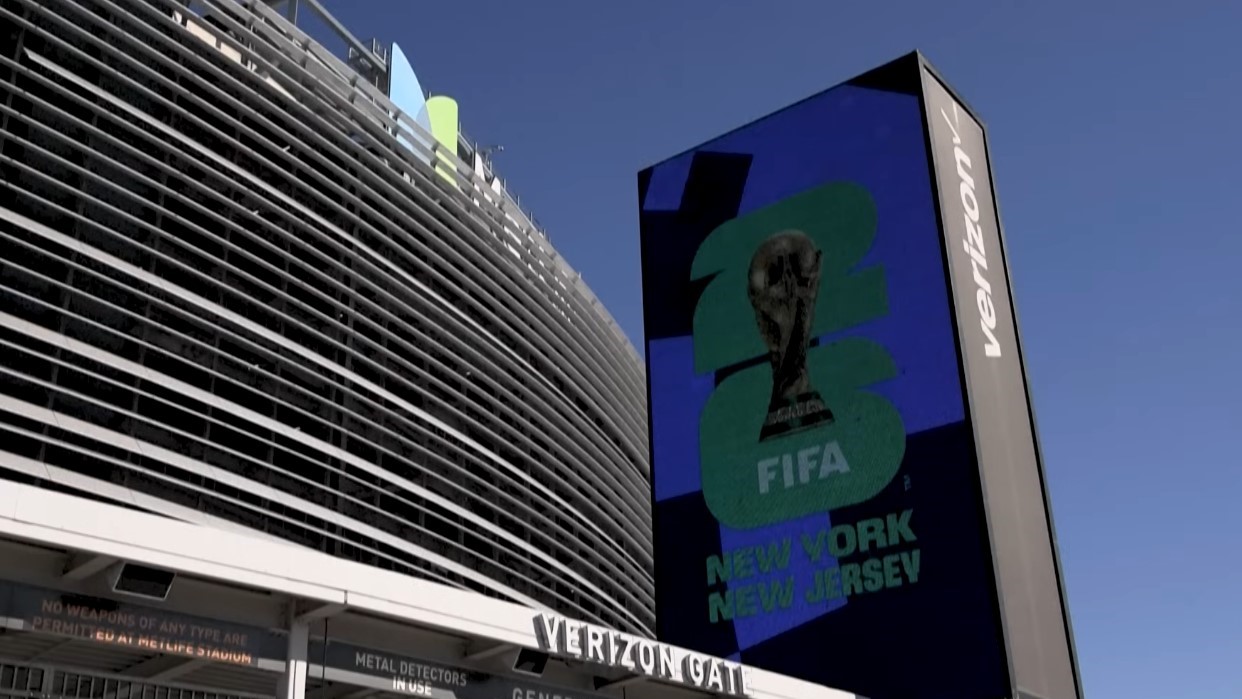
FIFA has increased financial payouts for teams competing in the 2026 World Cup, pushing the total distribution to $871 million and setting a new record for the tournament’s prize pool. The expanded competition, scheduled across the United States, Mexico and Canada and beginning June 11, will also be the largest edition yet, featuring 48 teams.
The revised payout structure includes an additional $2 million for each participating national association. Teams will receive $2.5 million in preparation funding, up from $1.5 million in 2022, along with $10 million in qualification payments, compared to $9 million in the previous tournament. That brings the guaranteed minimum payout per team to $12.5 million, with further earnings tied to performance, according to CNBC.
The changes were approved during the FIFA Council’s 36th meeting in Vancouver and follow an earlier decision to raise the overall prize pool by more than 50% from the $440 million allocated at the 2022 World Cup in Qatar. The governing body had initially approved a $727 million pool before further adjustments increased the total, as reported by Sports Business Journal.
FIFA has said the additional funding is intended to offset costs tied to qualification and tournament preparation, including travel, training infrastructure and staffing. The increase is expected to benefit smaller football associations in particular, reinforcing the redistribution of revenues generated by the World Cup, Soccer America noted.
A FIFA spokesperson said the organization was “focused on ensuring fair access to our game for existing but also prospective fans, and offered group stage tickets starting at $60,” CNBC reported.
The 2026 tournament will also mark the debut appearance of several nations, including Cape Verde, Curaçao, Jordan and Uzbekistan, reflecting the competition’s expanded format. FIFA has allocated more than $16 million separately to cover operational costs for participating delegations and ticket allocations.
Despite the record prize pool, FIFA is facing mounting criticism over ticket pricing. A dynamic pricing model has led to significant price swings based on demand, with some tickets rising sharply compared to previous tournaments. Match tickets have been listed from around $380 for group-stage games to more than $4,000 for premium fixtures, while resale listings have reached extreme levels, CNBC reported. FIFA maintains that lower-cost tickets starting at $60 are available through team allocations, though access remains limited.
The surge in demand is evident, with FIFA receiving roughly 508 million ticket requests for approximately seven million available seats across 104 matches. That figure far exceeds attendance levels from the 2022 tournament, which drew 3.4 million spectators, according to Empire Magazine Africa.
Off the pitch, the tournament is unfolding against a backdrop of geopolitical tensions and policy debates tied to the host nations. Reports of potential travel restrictions, visa policies, and immigration enforcement have raised concerns about fan access. Measures such as expedited visa programs for visitors and discussions around limiting enforcement actions during the event have surfaced in recent months, according to IBT and related coverage on security and entry policies.
Other reports have highlighted the possibility of certain national teams or fan groups facing complications due to diplomatic tensions or domestic policies in host countries, adding another layer of uncertainty to the tournament’s global reach, IBT noted in multiple reports.
FIFA’s financial growth has continued alongside the tournament’s expansion. The organization reported $2.66 billion in revenue in 2025, driven largely by broadcasting and marketing rights, while total assets rose to $9.48 billion. However, reserves declined as liabilities increased, reflecting higher spending tied to tournament preparations and global football development programs, according to CNBC.
Recent Top Stories
Sorry, we couldn't find any posts. Please try a different search.