

EU Plans New Tariffs On Chinese Plug‑In Hybrids As Brussels Targets Subsidised PHEVs From BYD, Chery, And SAIC
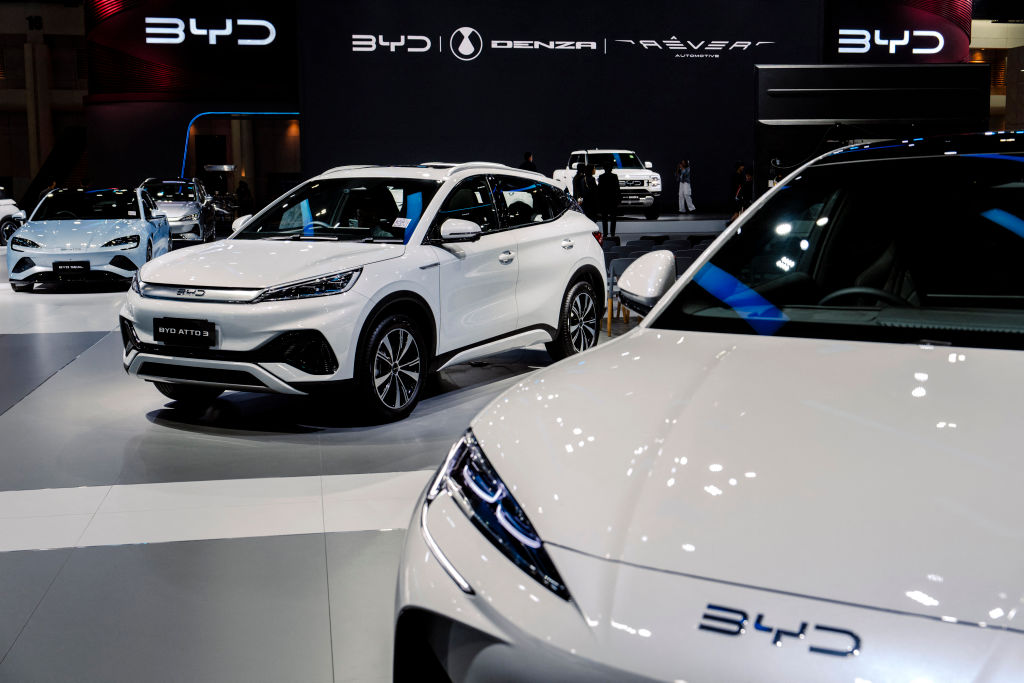
The European Commission is preparing to impose new tariffs on plug-in hybrid electric vehicles imported from China, with BYD, Chery, and SAIC among the manufacturers expected to be affected, according to reports citing EU officials and industry sources.
Brussels is moving to close a trade loophole that Chinese automakers have used to expand sales in Europe after earlier tariffs on battery-electric vehicles made in China did not apply to hybrid models.
The plan would extend the EU’s anti-subsidy response beyond the measures introduced in 2024 on Chinese-made EVs, which were based on findings that the sector benefited from unfair government support, according to Reuters.
The EU’s Planned Tariffs on Chinese Plug-In Hybrids
The Commission has not yet publicly detailed the exact duty rates for plug-in hybrids, and the proposal still needs approval from EU member states before it can take effect.
The reported goal is to impose additional duties on Chinese manufacturers, including BYD, Chery, and SAIC, mirroring the differentiated structure already used for China-made electric cars, where rates vary by company and level of subsidy.
Chinese automakers have increased their focus on plug-in hybrids in Europe as they try to maintain momentum in the market while avoiding the steep EV tariffs already in place. Industry reports have highlighted strong sales for models.
These include BYD’s Seal U, SAIC-owned MG’s HS plug-in hybrid, and Chery’s Jaecoo 7, underscoring how quickly Chinese brands have shifted toward PHEVs in the region as a lower-cost alternative for consumers wary of pure EVs, New Mobility reported.
What is Currently in Place
The EU’s existing duties on China-made battery electric vehicles sit on top of the bloc’s standard 10% import tariff and reach well above 30% for some manufacturers.
Those measures were adopted after an investigation concluded that China’s EV value chain benefited from subsidies that threatened economic injury to European producers, particularly in key markets such as Germany and France.
The new plan reflects growing concern in Brussels that subsidised plug-in hybrids could undercut European automakers in the same way battery-electric vehicles did before tariffs were imposed.
Trade analysts note that the move is likely to draw a strong response from Beijing and could lead to further discussions on managed trade arrangements.
However, EU officials have framed the initiative as a targeted step to restore what they describe as fair competition in the bloc’s rapidly changing auto market, as per the New York Times.