An Independent Alberta: The Richest Nation on Earth?
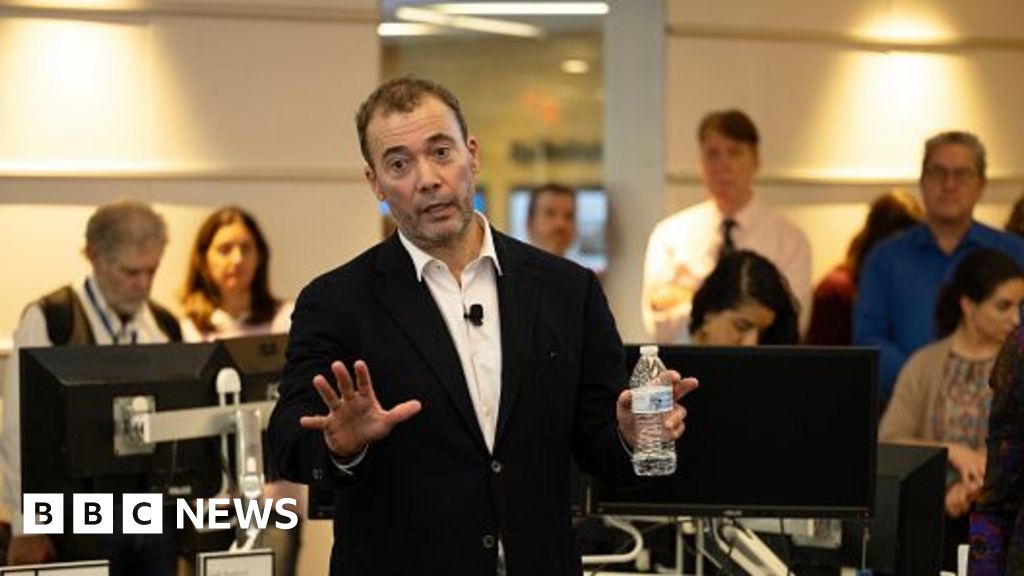
Martin Armstrong
Alberta will almost certainly hold a referendum on separating from the rest of Canada, likely within the next year.
Economist Martin Armstrong, who decades ago created the Economic Confidence Model which has correctly predicted many major political and economic events, tells us that when that referendum happens, Albertans will vote to become independent.
But of course that is only the first step. How exactly should Alberta, or any state which has decided it is time to go it alone, structure their government and economy to provide stability and prosperity for the people?
This is a vital question that needs to be answered before the separation happens, not after. And Martin’s Model predicts that while Alberta may be the first, they will not be the last. Other provinces in Canada are likely to follow, and the EU is already showing signs of fracturing. Mr. Armstrong predicts that by 2029 the EU will no longer exist. And so, this interview goes well beyond Alberta. Alberta has an opportunity to not only create an independent state, but to do it right, and in so doing create a model for the rest of the world to follow.
LINK: https://www.armstrongeconomics.com/
Get the Truth! Exclusive Interviews and News that mainstream media won’t report. https://ironwiredaily.com
Protect Your Assets from the Coming Economic Collapse. Buy precious metals at wholesale prices right here in Canada. https://info.newworldpm.com/154.html You can even transfer in your RSP. New World Precious Metals. You will also be supporting our efforts to bring Canadians the truth. We do receive a commission on purchases made through our affiliate link.
Get Sound Financial Advice. Adrian Spitters is a personal financial planner and author who successfully predicted both the dot-com crash and the crash of 2008, and also has access to many investment opportunities that other financial planners do not.
Adrian Spitters, Financial Consultant
Financial Advice for the Coming Economic Collapse
www.adrianspitters.com
adrian@adrianspitters.com
(604) 613-1693
Find and Join your LOCAL Freedom Community. We are building in-person freedom communities across Canada at https://freedomcoms.org. Joining is free and only takes a minute.
Get a truly Secure Phone. Above Phone! Purchase price includes a 45 minute online personalized orientation session. Stop the government and corporations from spying on you. https://abovephone.com/?above=101. Use code IRONWILL25 for $25.00 off any phone.
Originally posted 2025-07-01 18:25:55.
(0:01 - 0:29) Alberta will almost certainly hold a referendum on separating for the rest of Canada, likely within the next year. Economist Martin Armstrong, who decades ago created the Economic Confidence Model, which has correctly predicted many major political and economic events, tells us that when that referendum happens, Albertans will vote to become independent. But of course, that's only the first step. (0:29 - 1:00) How exactly should Alberta, or anyone else who has decided it is time to go it alone, structure their government and economy to provide stability and prosperity for the people? This is a vital question that needs to be answered before the separation happens, not after. And Martin's model predicts that while Alberta may be the first, they will not be the last. Other provinces in Canada are likely to follow, and the EU is already showing signs of falling. (1:01 - 1:24) Mr. Armstrong predicts that by 2029, the EU will no longer exist. And so this interview goes well beyond Alberta. Alberta has an opportunity to not only create an independent state, but to do it right, and in so doing, create a model for the rest of the world to follow. (1:33 - 1:52) Martin, welcome back for this third interview. And today, of course, we're going to be discussing how Alberta specifically should handle separation, because your economic model predicts that Alberta will separate. And in our last interview, we even discussed the reasons why separation is going to work in Alberta and didn't in Quebec 30 years ago. (1:53 - 2:00) And of course, this is also not just for Alberta. As your model predicts, we're going to see the EU break up. We're going to see Canada break up. (2:00 - 2:14) You might even have California secede. So this would be the model for any state that decides it's time to go it alone. And I think where we have to start is, you know, I've been reading that very important paper that you wrote on how empires and nations divide. (2:14 - 2:28) And in that paper, you discuss why it is that socialism doesn't work, has never worked, will never work. And one of the major problems that Canada has right now is that our country has moved way to the left. It's become very, very socialist. (2:29 - 2:44) So I'd like you to start with that, Martin. Please explain for the viewers why socialism simply does not work. Largely because the government is basically interfering in everything. (2:45 - 3:15) And they don't understand human nature. The reason, for example, communism failed, all of it, is mainly because to create equality, as they pretend, they have to suppress everybody. And what happens is, is that all progress comes from the guy who has a vision, you know, creates something. (3:15 - 3:39) Like, you know, Henry Ford envisioned, you know, the assembly line to be able to make cars cheaper for the average person. The socialist comes in and can't stand the fact that he made a lot of money. And they don't look at it, how many jobs did he also create, by creating a new industry. (3:39 - 3:55) All right. All right, fine, you had Rockefeller, you know, discovering oil and things. I mean, without that person, and yes, that person does make a lot of money because they've invented something. (3:56 - 4:16) OK, but they create a whole new industry. And this is by suppressing that you suppress basically all economic productivity. Probably the most, I would say, illustrative point of that was Richard Nixon when he was vice president. (4:17 - 4:46) And it's called the kitchen debate that he had with Khrushchev. And he showed the American kitchen, dishwasher and things of this nature, and showed that where capitalism, it was the people that invented these things, not the government. You know, and that's basically why, you know, Gorbachev ended up, you know, dumping communism because it does not work. (4:46 - 5:07) The government is not the one that creates things. You can watch the movie Mr. Jones. When communism started, you had Stalin and they seized all the farms. (5:07 - 5:31) And then you put somebody like from the DMV in charge of when to plant stuff, you know, who have no experience whatsoever in farming. So what happened was, you know, they screwed everything up. So his right hand man, Kaganovich, was actually Ukrainian. (5:32 - 5:50) And the general view is that he was he was Jewish and probably told Stalin to take the food from Ukraine as retribution because they had killed a lot of Jews. That may have been the case. Who knows? But whatever it was, he was in charge of taking the food from Ukraine. (5:50 - 6:14) And so, you know, five to seven million people starved. And but the point is, is that he had to steal the food from Ukraine to try and pretend communism was working. If he didn't do that, you would have seen riots in Russia and say, what is this? You know, this equality we can't even eat. (6:15 - 6:45) You know, government's not capable of of doing this sort of thing in any way, shape or form. It always has to come from the private sector because somebody, you know, on the front line can say, gee, you know, be nice if somebody, you know, created a bakery and made bread so I didn't have to do this every day. And that's what Adam Smith was about. (6:46 - 7:03) And what his invisible hand is, you know, the it's not some magnanimous thing that, oh, society needs this. No, it's a guy that says, gee, I think I can make some money baking bread. That creates the economy. (7:04 - 7:20) The guy that, you know, you look at. All the inventions you take. Why did America become more or less the leader in an industrial revolution? Very simple. (7:21 - 7:39) Cars existed, you know, developing in Germany and Britain. And because these newfangled gadgets threatened the current establishment of the horse and buggy guy, he bribed the politicians. And so you can look it up. (7:39 - 8:09) They passed basically the red flag law that if you're driving one of these cars down the road, somebody had to walk before you with a red flag to warn you a car was coming. There were even some laws in New Jersey that if you're driving your car down the road and it scared a horse, you were required to take it off to the side. And if the horse was still scared, you had to disassemble it. (8:10 - 8:19) This is what I mean about government. Somebody bribes to do what they want. And this is the problem with basically republics. (8:21 - 8:31) They're up for sale to the highest bidder. And this has been going on since the days of Julius Caesar. So the government's not capable of that. (8:31 - 8:43) And that's why socialism never works. It suppresses innovation. And I mean, just look at all the socialistic agendas. (8:44 - 9:00) Look at the GDP of the United States versus Europe. All right. The capitalization of the New York Stock Exchange by itself is worth more than all the stock exchanges of Europe combined. (9:02 - 9:15) Because they have restrictions on everything. I mean, Spain just put in a restriction. You can't take out more than $3,000 or 3,000 euros out of your account without permission from the government. (9:16 - 9:27) I mean, when you start doing this sort of thing, I mean, you suppress economic growth. People leave. That's basically what happens. (9:27 - 9:36) They just simply leave. Right. And I think that leads to another point that we need to cover before we move on to specifically Alberta and separation. (9:36 - 9:49) Having to do once again with why socialism doesn't work. And Canada is a great example of this. In the last 10 years under our liberal government, jobs in the private sector have actually dropped off, while jobs in the public sector have gone through the roof. (9:49 - 10:02) But with the exception of essential jobs like teachers, doctors, nurses, it's mostly been bureaucrats that they've added to the system. And those people don't produce anything. They're essentially an economic parasite. (10:02 - 10:16) Their wages, salaries, have to be paid from the taxes of the people who actually produce something. And once that parasitic load reaches a critical mass, it has to destroy the economy. Does it not? Yeah. (10:16 - 10:27) Look, it's like, let's say you hired a maid to take care of your house. She doesn't bring in any income to the house. She costs you money to do it. (10:27 - 10:36) All right. That's government. You know, they bring nothing to to improve the economy. (10:36 - 11:05) They are a parasite, and they live off of basically like a leech, sucking the blood out of everything. And historically, this has been throughout time. And I guess that one of the things that struck me was that even in the Ten Commandments, what does it have in there? Thou shalt not covet thy neighbor's goods, wife, et cetera. (11:05 - 11:17) This socialistic idea existed in ancient times. Sparta was a communist state. They didn't even issue coins because they didn't want people to have wealth. (11:18 - 11:30) And they waged the Peloponnesian War against Athens. Because Athens was the liberal state of freedom, et cetera, democracy. And, you know, they went to war. (11:30 - 11:39) They didn't like that. So these ideas are not new. They've been around for an awful long time. (11:39 - 11:50) And so you can look throughout history. Socialism, communism has never worked. Mainly because what you're doing is you're trying to change human nature. (11:51 - 11:57) That's really what you're doing. And that doesn't work. No. (11:57 - 12:11) Look, a mother died, you know, he cried for her son that died in ancient times as she does today. Human nature has not changed. That's why history does repeat. (12:13 - 12:35) Because when you're confronted with the same situation, humans will respond the same way. It's what governments, whenever you see, you know, governments in trouble, what happens? They become more authoritarian. They're fighting to stay alive. (12:36 - 12:49) I mean, look at NATO. It should have been shut down when communism fell. The whole purpose of it was, you know, against the Warsaw Pact, which no longer exists. (12:50 - 13:11) I've seen the internal memos. You know, once you create an agency, what were those memos saying? How do we remain relevant? They have to constantly keep up this facade that, oh, Russia wants to invade Europe. Absolute nonsense. (13:12 - 13:19) Europe has nothing. No gold, no oil, nothing. Okay, no natural resources. (13:20 - 13:34) If you look at Japan, why did Japan invade Manchuria? Because they were buying all their energy from the United States. They went in there for, basically, for natural resources. They didn't have it. (13:35 - 13:48) I mean, just look throughout history. You know, if there's no profit, there's no war. Alexander the Great couldn't say, well, let's go conquer this country. (13:48 - 14:00) What are we going to get? Oh, nothing. The troops, you know, shared in the spoils. You know, there is no war for the sake of just a war with no profit. (14:03 - 14:17) Somebody's always trying to conquer somebody for some sort of material wealth out of it. You know, they need food or metal or whatever it is. Energy. (14:18 - 14:34) I mean, so what is, if Putin invaded Europe, and he's been there, you know, you're talking about almost 26 years. I think if he wanted to do it, he would have done it a lot sooner. And, I mean, he didn't even want to go into Ukraine. (14:34 - 14:52) He only went in as a special operation for the Donbass. The criticism I can tell you in Russia against him is that he should have went into Ukraine like we went into Iraq. The whole thing, shock and awe, and it would have been over in six weeks. (14:53 - 15:14) Instead of just trying to take the Donbass, which has allowed Zelenskyy to get money from everybody else and get his weapons and this, that, that wouldn't have existed if he did actually try to take all of Ukraine. That was his mistake, I guess. But that's the criticism from the neocons in Russia. (15:16 - 15:45) That this thing is ridiculous, it's been going on for too long, and you should have done it the right way to begin with. I mean, that's a valid criticism, I suppose. Right. Now you're talking about governments and how they always seek, and you talk about this in your paper as well, how they always seek to survive, to continue their governance. And even if we had a benevolent government, they would still want to do that, because if they're truly benevolent, they want to help the people. Well, they can't do that if they're not in office. (15:46 - 16:01) So it seems to me then that there's a deep misunderstanding on the part of these socialist governments in the way that they try to hang on to power. Because, well, how did you get into power? Well, hopefully you got elected. Let's get aside from countries where that doesn't happen. (16:01 - 16:26) But if you got elected and you were in a supposedly democratic country, you got elected because you convinced the people that you were going to work for them. And so it's fairly obvious to me that the way for a government to truly stay in power is to actually do that. If they actually serve the interests of the majority, and I need to make that very clear, because especially here in Canada, in recent years, we have moved to a system of government by the minority for the minority, and that absolutely is not going to work. (16:27 - 16:44) And you can't please everybody. But if you actually worked in the interest of the majority, well, they'll reelect you. Look, I mean, this is, you know, I think Mark Twain said, if voting really mattered, you know, really, they wouldn't let us do it. (16:45 - 17:02) But I mean, throughout history, it's always the same thing. I mean, the EU has, you know, interfered in elections in Romania twice. Why? Because the people don't want to go to war with Russia. (17:02 - 17:21) And NATO is building the largest, you know, base in all of Europe in Romania, so they can attack Russia. So, I mean, you know, you had Helmut Kohl. He knew the German people would vote against joining the Euro. (17:21 - 17:32) He took Germany into the Euro unilaterally. No, the Germans were not allowed to vote. Well, they don't know what they're doing, so I'm going to do it my way. (17:32 - 17:58) I mean, you see this throughout history an awful lot. And they don't really look at things objectively. I mean, you know, in many respects, what you're going through there in Canada with Alberta is not much different economically from the U.S. Civil War. (17:59 - 18:13) All right. Putting slavery and the moral side of it aside, from the South perspective, you're taking away their workforce. So they're going to go bust. (18:13 - 18:21) Okay. I mean, it turned out most of the blacks stayed there anyhow because that was agricultural. But, I mean, aside from that. (18:23 - 18:37) And in Alberta, you have, you know, Trudeau, you know, going after shutting down energy, you know, climate change, etc. Also attacking jobs. You know, that's what I mean. (18:37 - 18:53) Economically, you get this stuff going on and you see it in Europe. It got really absurd. I had a meeting in Berlin and then I had a meeting in Rome. (18:53 - 19:17) I could not get a flight. I ended up having to hire a private jet because there were no direct flights between two major cities. Once a day, six o'clock in the morning. That was about it. You know, I'll never make this meeting. Whereas before COVID and all this stuff, there were direct flights probably four or five times a day. (19:21 - 19:35) They've shut down a lot of the flights because of this stuff. I mean, I live in Florida. They built a big terminal, international terminal in Tampa. (19:36 - 19:55) Then comes, you know, COVID and the climate change. Huge terminal, international flights, very few. So you have to understand that they will always defend their own self-interest. (19:56 - 20:08) And that's really what this is about. Like NATO. Why do we need NATO? They keep saying, oh, Russia is going to invade. (20:09 - 20:18) So you got to give us money. Well, if they're not going to invade, then you don't have to give them money and they lose their jobs. So they have to say that. (20:21 - 20:34) But, you know, any agency is the same. No matter what it's created for, it's always going to be the same story. And they will do whatever is necessary to keep their jobs. (20:35 - 20:54) You see this going on with in the United States, you know, with the doge against the USAID and education. And so they, you know, they've gone too far. I mean, I spoke to one teacher and, you know, okay, fine. (20:54 - 21:09) You have all this stuff about, you know, what your real, you know, what gender do you think you really want to be and all this stuff. But then you had I couldn't believe it. Then they had kids just, you know, they prefer to be a dog. (21:10 - 21:34) So we actually put pads down and they called them ferries. I said, you've got to be kidding me. Now, how is that if you don't straighten that out? How is that child going to get a job? Oh, can I work for you? But I need a pad because I need to be able to take a leak next to my desk whenever I feel like it. (21:34 - 21:44) Yeah, I think there's certain things you just like. Hello. Don't you think you should at least straighten out the kid? Do you want to pretend you're a dog? Okay, very nice. (21:45 - 21:54) Do that at home. It's I don't know. You can't accommodate all this this crazy stuff. (21:54 - 22:07) I mean, we have offices in Thailand, which is probably the transgender capital of the world. But they're at least respectful. They call themselves ladyboys over here. (22:07 - 22:22) It was like it got so bizarre. You had Biden nominating Jackson, the black woman for the Supreme Court. And they asked, what's your definition of a woman? Well, I really don't know. (22:23 - 22:40) What? You don't know what a woman is? I mean, you've gone to really extremes at this point. You lose common sense. And that's why you see even the politics. (22:41 - 22:52) It's changing everywhere. Trump was probably the first shot. Then you look at your AFD. (22:52 - 23:05) Oh, there are a bunch of Nazis, anti-immigrants. Now they're number one party. In Britain, now Nigel Farage's Reform Party is number one. (23:05 - 23:19) People don't want all these immigrants coming in. I mean, look at California. Trump sending in 2,000 National Guards. (23:19 - 23:34) You're setting cars on fire and all this stuff there. And you have Newsom coming out in support of these people who aren't even Americans. Illegal aliens. (23:34 - 23:46) Oh, but they pay taxes. Really? I'd like to know how. As an employer, I have to have in my files proof that they were an American citizen. (23:47 - 24:11) We have to take out taxes, including Social Security. So how are these people paying taxes? They can't legally be employed. And then you hear here in Florida, we have a lot of Mexicans who are here legitimately. (24:12 - 24:25) They started businesses, whatever. And they are upset because they had to do all these various different things to get in. And these other people just walk across the border and make them look bad. (24:26 - 24:33) Yes. So you've provided us with a number of very important concepts, Martin. And they are very important. (24:33 - 24:46) Because if you don't understand them, you don't understand why socialism doesn't work. And you won't understand the framework for everything else we're going to discuss today about how Alberta needs to handle separation. And folks, as I alluded to in my introduction, it's not really just about Alberta. (24:46 - 24:54) This is for any state that separates. But we're going to use Alberta as the example. So the concepts that we've covered are, let's back up, first of all, to what you were just talking about. (24:55 - 25:14) And it's relevant to the statement I made about government by the minority for the minority, where you've got these kids who think they're dogs. And we have a society ruled by that minority, pandering to that minority, that plays to these delusions to the point where these people are never going to be productive members of society. They're never going to contribute anything. (25:14 - 25:33) And then that takes us to, you mentioned the 1959 kitchen debate between Nixon and Khrushchev, where Nixon very properly pointed out that governments don't create anything. All of these great inventions were created by individuals, by private citizens. And the reason why they did it was because there was a reward in it for them. (25:33 - 25:50) Which brings us to the talk about socialism and why it doesn't work, because it shackles people and it provides them with no incentive, no reward for innovation. And so I think that's the context, the framework in which we have to start this discussion about Alberta. It's a very resource rich province. (25:50 - 26:10) It's a province full of people who want to work, but only if there's a reward in it for them. So the way I'd like to conduct the rest of this, and as you and I have discussed off camera, I think there's a very high chance that this interview will end up in front of Alberta Premier Danielle Smith. So let's voice this as your advice for Danielle Smith. (26:10 - 26:38) Alberta separates and your economic confidence model says it's going to happen. How does she handle this the right way? How does she build a new nation that has the potential to be one of the most prosperous, freest nations on earth? How does she do it right? Well, I would actually say that Alberta becomes its own independent state. Okay. (26:38 - 26:44) Not like Quebec, not sovereign within Canada. Out. All right. (26:45 - 27:08) I know there's definitely a push to become the 51st state. Economically, I understand that Alberta is very rich in natural resources, you know, everything from energy to rare earth, et cetera. So yes, economically, I understand it probably would be beneficial. (27:08 - 27:18) Okay. However, what I'm looking at is. If Alberta was a separate nation. (27:19 - 27:28) Declared it its own sovereignty. Eliminate income tax. This was a socialistic dream to begin with. (27:29 - 27:33) All right. No personal income tax. Corporate. (27:33 - 27:38) Okay. You can have 10, 15%. Mainly because a corporation. (27:39 - 27:49) Must pay some sort of tax. Otherwise, if it doesn't, then it's going to be taxed at the local rate, wherever else it does business. All right. (27:50 - 27:56) So. Yeah, these various different tax treaties. Alberta. (27:57 - 28:08) At no income tax. And just basically funded the government from a retail sales tax, not VAT. I guess. (28:08 - 28:13) Extremely. Complex. And very bureaucratic. (28:14 - 28:20) Intense. A sales tax. Is much more realistic. (28:21 - 28:33) You can't bring a lawyer with you to negotiate, to get out of a sales tax. And the rich naturally pay more taxes because they're buying more things. All right. (28:33 - 28:41) You know, they're buying a, you know, half a million dollar Ferrari or whatever. But. Fund your, your government that way. (28:42 - 28:47) Without. An income tax. What will happen is. (28:48 - 28:57) More people are going to come there and companies would come there. When I was restructuring. Corporations. (28:57 - 29:04) And I got involved in. Restructuring the. Japanese. (29:05 - 29:16) Who wanted to get into, into Europe. So we just made the decision where to go. If they needed a skilled labor, like car manufacturers, I was putting them in Britain. (29:16 - 29:23) If they needed the best tax deal. I got that from, From Ireland for like airlines. All right. (29:24 - 29:32) And that's how I got to meet Margaret Thatcher. She asked me. She'd heard there was this rumor of this guy setting companies there. (29:32 - 29:37) And so we met. And she asked me why. And I explained that. (29:38 - 29:53) If I pay an employee, the very same wage in Germany versus Britain. What would happen would be. That the cost on top of what the employee actually sees. (29:53 - 30:00) Is 40% higher in Germany than it was in Britain. All right. So all this nonsense. (30:00 - 30:05) Oh, they move off shores. You know, they, they. The socialist. (30:05 - 30:10) Painted like. I'll move. Cause I'm getting, I only have to pay him $8 an hour instead of 10. (30:10 - 30:16) That's the minimal level. It's all the regulation on top of everything. And. (30:18 - 30:24) You know, I've told this story before. We had a very large. Telecommunications company in Germany. (30:25 - 30:30) And they called me on, on the phone. I was in London. They said, look, we need you here at our board meeting. (30:30 - 30:37) First thing in the morning. I said, what's up. You'll find out when we, when you get here, I get there. (30:37 - 30:43) They point us. Without any proposal advisor to the pension fund. And then everybody's resigning. (30:44 - 30:57) I said, what is going on here? Is this a Harry Carey meeting or something? And they explained that they went to the government. And this is how socialistic. Germany really is. (30:57 - 31:19) You need permission from the government to lay off somebody. So the government finally agreed that they could lay off 20% of the workforce. And they had to offer him. I think it was 150,000. Voluntarily give up your job. At the last minute, the government came in and said, well, that's not fair. (31:20 - 31:24) Okay. You have to make the offer to everybody. You can't pick and choose. (31:28 - 31:33) They did. The very people that knew that could get a job. Across the street. (31:33 - 31:39) 150 grand. And left. They got stuck with the very people they were trying to get rid of. (31:40 - 31:46) And. Even the chairman said, I'm resigning. When I asked what's going on. (31:47 - 31:55) He said. If I don't resign. My name will be associated with this company and it's going to go down. (31:55 - 32:05) And I'll never get a job again. So the boarders resign. And I told this story to a board member of the IMF. (32:06 - 32:16) And she actually said to me, you're correct. We saw the same thing happened in Greece. That's human nature. (32:18 - 32:24) You can't change it. All right. I mean, so he wants to offer you 150 grand. (32:24 - 32:30) And you know, you can get a job right across the street. You can take it. All right. (32:30 - 32:37) So of course the company ended up losing all the good people they wanted to keep. Yes. And got stuck with the ones who couldn't get a job somewhere else. (32:38 - 32:48) That's why I say, if you eliminated the income tax in Alberta. And what would happen is this. Is that. (32:48 - 32:53) One. The employee would ask to be able to earn more money. All right. (32:53 - 32:59) Than any other place. Because what they don't see. In their bottom line paycheck. (33:00 - 33:12) In the United States and our paychecks. It shows you how much the government's taking out. And a lot of people in the United States pay more. (33:12 - 33:17) And so security taxes. Then they do an income tax. So. (33:18 - 33:29) This is all the layers and layers of, of socialistic stuff. That's on top of it. And I had a debate at Princeton university on this tax issue. (33:30 - 33:36) And it was with Steve Forbes and. The governor, Jim Florio. And. (33:36 - 33:45) He was basically a Democrat. Typical, you know, tax them when they move. And if they stop moving, just take the rest of it. (33:45 - 33:55) Basically. And I told him, I said, you know, you're borrowing from the poor and you don't even have the. You know, the decency to pay them interest. (33:57 - 34:03) And he said. Retalking about. I said, because everybody waits for their refund check at the end of the end of the year. (34:03 - 34:07) You know, you're, you're borrowing from the poor and you don't even You can make them. Make. People think that you're magnanimous. (34:08 - 34:14) But. You don't pay them interest on that. So you're borrowing from them all year long and you don't even give them interest. (34:15 - 34:21) You know what to say. This is how the socialistic agenda. Works. (34:22 - 34:38) And so if you eliminated the income tax. One, companies would come there because it would be much more beneficial to have a workforce there with less regulation. Two, the people are going to earn more. (34:40 - 34:53) And the key to an economic growth is confidence. As long as people are confident about the future, they will borrow. It's like the ECB. (34:53 - 35:01) I warned them. They went to negative interest rates in 2014, trying to punish people for not spending. They didn't listen. (35:02 - 35:22) I said, listen, I'm not going to borrow if I see no opportunity for an investment in the future. If I think the stock market's going to double next year, I'll pay 20%. If I don't think it's going to go up 1%, I'm not going to pay 1%. (35:22 - 35:39) It's the expectation minus the interest rate. It's just not the empirical level of interest rates. We've done studies on this, and 1929 peaked with the smallest level of interest rates. (35:39 - 35:56) So it has to do more with expectations. And as long as people are confident, then the interest rate is irrelevant. As long as it's below the expectation of the potential profit, simple as that. (35:58 - 36:12) So eliminating the income tax, you will see a boom. And what I would be interested in, I'd advise Alberta for free. I can't charge governments any money anyhow, because we have a regulation. (36:12 - 36:35) If you do, but charge a government, including my own, I must register as an agent of that government. They act as if I took some money from Germany or something, oh, now I'm their agent. So I advise a lot of governments, I have to do it for free. (36:35 - 36:56) I can't charge anybody because of the laws. So I would have no problem advising Alberta. My view is that if one state does it, sets the tone, everybody will see the prosperity, and then it will start a contagion. (36:58 - 37:11) This is the way things go. You can go back to Rome when they overthrew their king in 509 BC. Within six months, Athens is overthrowing their tyrants and democracy is born. (37:12 - 37:25) 1989, you see Tiananmen Square. What happens? Within a few months, Berlin Wall is falling. These things are like a disease in a sense, but it's economic. (37:27 - 37:32) It's a contagion. Somebody says, oh, gee, look at what they did over there. That's a good idea. (37:32 - 37:43) Let's try it here. American Revolution, all right? George Washington is sworn in, 1789. What happens? The French Revolution, 1789. (37:44 - 38:00) These things are contagious. And you look throughout history and you'll see you start political change one place and eventually it flows through to every place else. Yes. (38:02 - 38:18) Actually, I want to make this comment first and you're very, very correct that it's not just about Alberta because if Alberta does this right, they become the model for all the other states that will split off and your economic model predicts we're going to see a lot of that. The EU is going to break up. It creates this model. (38:18 - 38:38) I think it becomes an especially important one if, because in the US, you've got California talking about seceding and they are almost certainly the most leftist state out there. And so if Alberta does it right, you're going to see Alberta prosper and you're going to see California, if they secede, crash and burn because they're going to continue with their leftist ideology. There's just no way this is going to work. (38:39 - 39:13) But one question that's going to jump into people's minds is, well, to run a government, how are you going to do that without income tax? Now one thing that needs to be pointed out, as you've already alluded to, is in order to collect that tax, you need a huge bureaucracy to do it. And if you, because they take a big chunk of that money that gets raised from that income tax. So if you don't collect income tax, if you have a hands off government that maximizes the freedom and the incentives for the people, then you automatically need a much smaller government which doesn't need as much money. (39:16 - 39:44) Look, basically you have, look at what the DOGE did in the United States. It was mostly just taking all the files, putting it into a computer and the computers finding hundreds, I mean it was thousands of people, well over a hundred years earning income tax. One like three hundred and some odd years old, really? Collecting taxes, over 120 years old, yeah. (39:44 - 39:58) It was thousands of them, over 120 years old collecting pension checks, it's, wow. My mother died in 2018. They still sent her a stimulus check in 2020 for COVID. (39:59 - 40:23) So it's not just corruption, it is just incompetence. And I had a friend who was a postmaster. And the union basically required, if he was going to inspect somebody to make sure they were doing their job, he had to notify them, I'm going to be looking at what you're doing on Wednesday. (40:25 - 40:44) Alright. This guy ends up taking the mail and dumping it into a river so he can go off with his hookers and drinking all day or whatever. So, they start getting phone calls, complaints that they didn't get their checks, there's no security, whatever. (40:45 - 41:03) And they cannot investigate this guy because of the union rules. What happens? Somebody from the private sector sees him dumping the mail in the river. They report him. (41:03 - 41:21) Without that, they couldn't even investigate him. This is government unions. And they just make it so that every possible way, they are always above the law one way or another. (41:22 - 41:43) And this is the problem. Unionization is also, to a large degree, it is based on Marxism. I mean, in the late 1890s, yes, we were just going into Industrial Revolution, etc. (41:44 - 41:58) There were fires and people died because they didn't get out in time. It was a learning curve, no doubt. That's when unions were necessary, etc. (41:58 - 42:10) Then all of a sudden, you get to the point, we have all kinds of laws against just about everything out of the sun. You don't need the union anymore. And I can give you a couple of examples. (42:11 - 42:19) One, New York City used to be the largest port in the country. Unions got a hold of it. Nobody goes to New York anymore. (42:20 - 42:36) It got so corrupt and, you know, even mafia was involved or whatever. Then it moved to Philadelphia, Virginia, etc. The unions chased their own jobs out. (42:38 - 43:01) And we have to understand that I was called in actually by Toyota because the U.S. plant, the productivity turned out to be higher than Japan. So they thought something was wrong. They asked me to go take a look at it. (43:05 - 43:15) So when I went there, they were like, at all the bookshops, they thought I was going to be there looking as an auditor or something. I said, that's very nice. OK, I want to go down to the floor. (43:16 - 43:19) What? Yes, I want to go. I want to tour. I want to see the floor. (43:19 - 43:28) And when I was there, one guy pulled the cord, stopped the assembly line. I walked over and they were freaking out. I'm now talking to the workers. (43:29 - 43:37) But I said, why did you do that? And he said, see that door? It's off about a quarter of an inch. I said, you're right. And others are coming around. (43:39 - 43:46) And I was kind of scared that they were talking to me. But I asked them. They were all from Detroit. (43:47 - 43:57) All ex-union guys. And I said, so you left there to come here? Yeah. And I said, and they all said the same thing. (43:57 - 44:09) They would never go back to a union. And I noticed what it was. A union has the power to shut down the plant for negative reasons. (44:11 - 44:29) What the Japanese did with that cord, the individual could shut down the plant for a positive reason. So when I saw the productivity actually increased. So they had the same propaganda, Americans aren't good workers, blah, blah, blah, whatever. (44:30 - 44:45) And it was the unions that was causing that. And so I had to tell the Japanese, you know, I knew, you know, the numbers were correct. And I just basically went back and I had to couch it like, you've done a fantastic job. (44:45 - 44:58) You converted the American worker into a productive force. And then they were, oh, well, thank you. You have to praise them that you did a fantastic job, brilliant that you did this. (44:58 - 45:08) And then it was okay. But that's what you end up with, with some of these unions. It's more destructive than anything else. (45:08 - 45:20) And the whole object is basically our powers to shut down the plant. And that doesn't benefit the worker and it doesn't benefit the operation either. Right. (45:21 - 45:40) And I would also make the observation, at least from my own perspective, that unions are a driving force behind inflation. We just had the Alberta Teachers Union here negotiate another 3% raise per year for a government job, a public sector job that's already one of the highest paid in our society with some of the best benefits in our society. And yet they want more money. (45:41 - 46:04) Well, if they get paid more money, well, then you have to raise the prices of everything else to pay for it. Look, I know somebody from New Jersey. Not only do they get in the union for teachers, do they get, you know, health care for life, their entire family does. (46:06 - 46:26) I mean, you couldn't get that in the private sector. It's, I mean, back in the 80s, we used to give to the whole family, you know, health care, and it would be maybe, you know, $3,000 to $5,000 a year maximum. And everybody in the family was covered, you know. (46:26 - 46:34) And then they kept pushing, you know, insurance rates higher and higher and higher. And then that gets dumped. And this is the whole problem with it. (46:34 - 46:48) You can't really, if you increase the wages, you're going to increase the prices. So the two of them, you know, it becomes like a dog chasing its tail. You know, you're not going to get anywhere. (46:48 - 47:09) If you really want to earn more money and expand in life, get a new job. Add to your qualifications. You know, don't say, well, gee, he gets $30 million, you know, that's very nice, but, you know, it doesn't work that way. (47:12 - 47:51) So then that is a very simple question. If Alberta separates, should the government abolish unions? I would say that the unions are only, you know, it's debatable whether they're even necessary anymore. But in the sense of work standards, because you got all sorts of laws on OSHA, things of this nature, you can maybe have a qualification for collective bargaining or something to that nature. (47:51 - 48:19) But, you know, trying to abolish unions may be more of a civil unrest type thing than anything else. But, you know, at least some sort of restraints on this. I mean, it's they end up committing your own suicide, as New York and many other places you look at, the unions ended up destroying the jobs rather than furthering them. (48:22 - 48:37) So let's talk now about health care, because, you know, you've spent a lot, even though you're American, you spend a lot of time analyzing candidates. You're very well aware of our socialized health care system, which we've had in this country for a very long time. And I myself and my wife have benefited from it. (48:37 - 48:56) We've both had cancer, which, you know, our treatment cost us nothing, which in another country that didn't have that kind of health care would have bankrupted us. But there's the other element of it, and that's privatized health care. And to my knowledge, Canada is the only country in the world that doesn't allow for it, for essential services. (48:56 - 49:05) If you're a dermatologist, sure, you can open up a private practice. But if you're a surgeon specializing in joint replacement, you can't do that. You have to work through the government system. (49:06 - 50:08) So how do we change health care to see that everyone does get looked after, but without bankrupting the country? Well, honestly, I have, you know, I have, you know, insurance down here in Florida. It's Medicare, and then you get a Part B. But I've never had to pay for anything, and it's not really denied. The biggest difference, I think, between the two systems is that the medical profession here is basically allowed to earn whatever they earn, whereas when they tend to work for government, it's like a union wage. (50:08 - 50:20) That's it. They can't earn more or anything else. So you see it in Britain where the best go off and start private practices. (50:20 - 51:03) I mean, I saw a chiropractor down here, and it was from Toronto. So if somebody is more ambitious, we'll leave Canada, and then they'll go get a job someplace else. So are you also losing the best and brightest of what you have? So, I mean, you know, paying into a system like Medicare taxes or whatever, that's fine. (51:04 - 51:17) But at the same time, you have to allow the doctors to be private. And then with that, I get to pick and choose. I don't like that guy. (51:18 - 51:29) I go to somebody else. You know, I went to a few doctors, and then I found one that asked me about COVID vaccines. OK, were you vaccinated? I said, no. (51:29 - 51:39) Good. I said, all right. Whereas others, well, gee, you know, you should get the vaccine. (51:39 - 51:49) It's like everybody I know that's gotten the vaccines has trouble. My lawyer ended up with the blood clots, and he can no longer fly. He has to drive to come see me. (51:51 - 52:11) You know, it's not all the same. And I, you know, do not trust the pharmaceutical companies at all. When you can't sue somebody, and they've manipulated the politicians and paid them to do so, they're not trustworthy. (52:12 - 52:23) I mean, would you buy a car from General Motors if you couldn't sue them? And one out of a thousand cars, when you stick the key in, it just blows up. Well, that's just the odds. Sorry. (52:23 - 52:34) You know, you wouldn't do that. Why are pharmaceutical companies exempt from lawsuits? It's absurd. Absolutely absurd. (52:34 - 52:44) They have no incentive to then check and verify anything. The fact that they asked for that shows that there are problems they don't want to be sued for. Right. (52:45 - 53:03) Otherwise, you wouldn't be asking for it. So you're, if I'm understanding correctly, then what you're recommending, that should Alberta separate, the best way to handle health care is to do it more like the American system, where doctors, nurses, hospitals, those are all private. You can get private insurance, and it's not even a big leap. (53:03 - 53:20) We do have private insurance. It's called Alberta Blue Cross, and it will cover a lot of the things that Alberta Health won't. So is that your recommendation, that we just get the government out of it entirely? Yeah, I think it's, otherwise you lose your best. (53:21 - 53:38) They'll go someplace else to make more money. And you got to look at it from that perspective. So, I mean, you go to London, you see a lot of Indians that are in the health care industry, because that's how they got into the country. (53:38 - 54:03) If they had skills in nursing or doctors, they could get a job in Britain, rather than stay in India. OK, so that's what you have to understand, is that suppressing their ability to earn more, you lose them. And maybe the best and the brightest are the ones you don't want to chase out. (54:04 - 54:23) Maybe they're the ones that are going to come up with that innovation that does cure cancer or something, and you're chasing them out of your country. And for those who are going to object to, oh, well, now I have to pay for private health insurance. But wait a minute, if the government follows your recommendations, they're not paying income tax anymore. (54:24 - 54:45) So they have a whole heck of a lot more money to do that with. And it's, you know, it's fine. The income tax, you're going to have a much better and robust economy. (54:46 - 55:05) People will earn more, rather than that money going off to the government. And with technology as it is today, as I said, with DOGE, they were able to put in the data and come out. It didn't require 50,000 people to go auditing. (55:06 - 55:15) The computer basically did it. So technology is also there to reduce the level of government. This whole nonsense about voting. (55:16 - 55:36) If we can buy off Amazon with a credit card that's secure, why can't we vote the same way? And then you don't have problems of, oh, are they dead or whatever. I mean, that's the joke about Chicago. Don't die in Chicago because you'll be voting Democrat for the rest of the next 200 years. (55:39 - 55:50) But, you know, and many audits have shown that. I mean, there are more people in Detroit that are voting than there are people that are there. I mean, this is corruption. (55:50 - 55:55) I mean, this is the way it's always going to be. That's human nature. You're not going to eliminate it. (55:56 - 56:02) Right. Now, I'd like to talk about education. And I myself have some very strong opinions about this, which I'm going to air. (56:02 - 56:15) And then I'm going to ask you for your comments on this. In Canada, our publicly run schools have become nothing but indoctrination centers for woke leftist ideology. The kids aren't learning anything anymore. (56:15 - 56:27) My own kids only finished high school just a few years ago. So I've watched all of this happen. So my idea would be if we privatize the schools and once again, for people who are thinking, well, but then I got to pay for my kid to go to school. (56:27 - 56:47) Well, hang on a minute, you're not paying income tax anymore. So that's not a problem. And it creates a system where people can look for the best education that they can get for their kids with the budget that they have, which is going to cause them to shop around to the schools, look at the curriculum that they're offering, look at the resources they have, look at the kind of education their kids can get there. (56:48 - 57:21) And that incentivizes the schools to actually create a system where the kids are learning rather than being indoctrinated. Your thoughts on that? Yeah. Now, I think that you have to, what I noticed in school and what kind of, I guess, turned me off about it was I went to economic class and they said, everything's random, so we can manipulate it. (57:22 - 57:29) Then you went to physics class. I said, nothing's random. You know, even Einstein said, God doesn't play dice with the universe. (57:29 - 57:56) You know, somebody's lying here, you know, and what I noticed, I came across Herbert Hoover's memoirs and they were kind of rare. I finally mentioned it so many times they had to, you know, put them online. But he didn't want to make money from the Great Depression. (57:56 - 58:10) So he told Macmillan they couldn't make a profit either. And so they didn't print very many. But I had come across a set in an antique bookstore and when I read it, everything I was taught in school was a lie. (58:10 - 58:39) Everything. There was a sovereign default in 1931, most of Europe defaulted, the British Commonwealth defaulted, which was even included Canada suspended interest payments. And I realized that basically most of what was being taught in school was the indoctrination of socialism. (58:39 - 59:02) It was particularly after, you know, FDR and, you know, the government's here to protect you, et cetera. And it's just not. And so government, like, look, there are human people that run it and they will always act in their own self-interest anyhow. (59:03 - 59:39) It doesn't matter if you're talking about a big corporation, pharmaceutical company or government, you know, they will always respond their own individual way. So education, it's a tough one because I won't mention the university, but one of the top 10 in the world asked me to watch. I went and they asked me if I would be interested in teaching. (59:40 - 1:00:06) And I said, no, I'm sorry, I'm not interested in teaching a class in a university. And I asked, why are you asking me? And they actually said, which shocked the hell out of me, we know what we teach doesn't work. I said, well, that's the first step. (1:00:07 - 1:00:21) All right. But and then they said, look, anybody with real experience, like hedge fund managers, whatever, those of us that have seen how the world really works, nobody wants to come back. I said, well, it's it's kind of difficult. (1:00:22 - 1:00:29) You're dealing with everything. Then you want to go back to a classroom with 30 kids. It's not necessarily on your wish list. (1:00:29 - 1:00:42) You know, so I'm trying to do a couple of books. I said I would do that. And I do a lot of podcasts, but this to sit in the classroom for now, it's not necessarily what I want to do in life. (1:00:44 - 1:00:58) But, you know, that is the problem. And they did admit that what they're teaching in economics does not work. This is one of the very top ones. (1:00:58 - 1:01:22) But hey, they're charging 50 to 100 grand for somebody to go to school for to learn something that doesn't work. You know, it's I've heard many, many times people have left school after a few years of trading and reading our blogs. And I said, you know, I've learned more than this than I ever did in the school. (1:01:22 - 1:01:40) I said, because that's simply the way it is. We would have young kids that come in into the company and they'd have to take their series seven exam for securities. They would ask me, gee, can I ask you a few questions? I said, don't ask me anything. (1:01:42 - 1:01:52) I said, just memorize what the book tells you to pass the exam. After you're done, forget it, because it's all garbage. All right. (1:01:52 - 1:02:08) They're still teaching, you know, answering questions on crushed bread from the 1930s that nobody even trades. I mean, stuff like that. It's just, you know, they don't understand capital flows or anything. (1:02:09 - 1:02:31) You know, it was World War I that sent the money over to North America because it was here. Then that's what made the roaring 20s and the 29 boom. I mean, because this is where all the innovation was taking place, automobiles back then. (1:02:32 - 1:02:40) OK, and you get a concentration of capital. That's what makes the big bull rallies. All right. (1:02:40 - 1:02:52) Then you get the crash and the capital is leaving. So the same thing in Japan, 1989. After that crash, they said, oh, gee, who's next? Oh, Southeast Asia. (1:02:53 - 1:02:57) They ran down there. That peaks in 1994. That starts to crash. (1:02:58 - 1:03:05) Where are they going? Oh, the euro is coming. Let's go over there for 1998. Boom, you get another big run. (1:03:05 - 1:03:13) Then you get the Russian crash in 1998. And everybody's like running around trying to find what to do next. This is the way capital moves. (1:03:14 - 1:03:20) You know, it's you see it domestically. Oh, AI bubble right now. Everybody's into AI. (1:03:20 - 1:03:32) Or then was the dot com or you get something, any sector, whatever that becomes hot. And then everybody wants to invest it. That's the way capital moves. (1:03:32 - 1:03:40) It's not equality. It's not, oh, gee, let's see. I can earn 2% in interest from this one. (1:03:41 - 1:04:05) I can get 2.5 from that one. Now, what's the investment going to do? Are you bullish? Are you bearish? Or you have confidence? As an international hedge fund manager, the number one question on the list is country risk. Would I put anybody in Iran? No. (1:04:05 - 1:04:11) Why? Because they nationalized assets before. All right, done. Okay. (1:04:11 - 1:04:22) So you have to go through. You have a list of where you're going to even invest money. But the number one question is country risk. (1:04:22 - 1:04:35) I say if Alberta did what I said, you're going to come to the top of that list. And capital is going to say, wow, let's take a look over there. That's how it works. (1:04:35 - 1:04:54) And that brings me to a question about resource management, of which I think Alberta is, it's not certainly the only example, but it's a prime example because we export a lot of oil here. In fact, two thirds of Canadian exports to the US are Alberta oil. But any state which separates and becomes an independent country will have something that they're exporting. (1:04:55 - 1:05:17) And we'd had a brief discussion in one of our previous interviews about how Alberta should be selling that oil to the US. And one suggestion that had been made is that they should sell it to the US in exchange for gold. But having this discussion with you today, it occurs to me that that entire suggestion is a non sequitur because if the government gets their hands out of everything, well, the government has nothing to do with selling that oil anymore. (1:05:17 - 1:05:31) The corporations do that. And if the corporations do it more profitably and the government's tax base is a flat 15% corporate tax, as you've suggested, then the government profits from it. And they don't have any costs to run it. (1:05:32 - 1:05:56) Does that sound like the way to do it? Yeah, I mean, it's... Look, I've seen studies that every time they introduce a new tax, what happens? You then create another department. It's not the original tax department. Oh, we need more people to do this. (1:05:57 - 1:06:11) Taxes are important. If you ever went to the colonial section of Philadelphia, why are there row homes? Very simple. It was a window tax. (1:06:12 - 1:06:24) You'll see it in Poland as well. I was in Warsaw and you see these old brick buildings and they're basically windows that are bricked up. Why? Because there was a window tax. (1:06:25 - 1:06:34) You were taxed how many windows you had. So a row home, okay, everybody's side by side. We don't have windows on the side. (1:06:34 - 1:06:50) It's less. The term taking a step up in life. Have you ever heard that one? Why? Because they, then, because they couldn't tax all the windows, they tax you according to how many steps you had to get into your house. (1:06:51 - 1:07:11) So the more steps meant I'm taking a step up in life. So now I'm richer because I have three steps versus one or none at the ground level. I mean, taxes have been a major factor in how societies develop. (1:07:12 - 1:07:35) And if you really look at everything historically, objectively, you'll see people will respond according to the taxes. And I can't stress that enough. I mean, if Alberta does this, it would be, it would set the tone that other countries would look at. (1:07:36 - 1:07:54) All right. I know there are proposals and Trump would like, you know, I know there have been negotiations with Alberta about maybe becoming the 51st state. Trump sees it more from a natural resource perspective. (1:07:55 - 1:07:59) You get rare earth, et cetera. All right. So I understand that. (1:08:00 - 1:08:15) Okay. But if you became the 51st state, I don't see how you would be able to eliminate income tax. You know, I was part of that movement back in the 90s. (1:08:15 - 1:08:24) I was the one testifying before Congress, House Ways and Means Committee. Bill Archer was the chairman at the time. He was for the retail sales tax. (1:08:25 - 1:08:40) Dick Armey was the head of the Republicans and he was for the flat tax. And I gave up. Largely, I was sitting at Dick Armey's office and he said to me, Marty, you know cycles. (1:08:40 - 1:08:59) I said, yeah. He said, I can't agree with Bill because we can't repeal the 16th Amendment, which was income tax. And if we did the retail sales tax, you know what will happen when the Democrats come back in? We'll have both. (1:09:00 - 1:09:16) I said, you know, Dick, you're absolutely right. So that's why I say it's one thing. It'd be nice if you could repeal the 16th Amendment, get rid of income tax federally. (1:09:16 - 1:09:37) However, you can't repeal the 16th Amendment because every state except for seven use it to put income tax on their citizens. So you're not going to get a repeal of the 16th Amendment. Because all the states are going to be in their own self-interest and would object. (1:09:38 - 1:10:02) That's why I say if Alberta were to be a separate sovereign state, not part of Canada, not part of the United States, then it could do the no income tax with the retail sales tax. You can go on my site. I did a whole report on that back in the 90s. (1:10:02 - 1:10:18) I think it's on there for tax reform. I forget what the title of it was, but I did the whole, you know, like 100 page report on the whole issue. And just couldn't get it going because of the problem of the 16th Amendment. (1:10:18 - 1:10:35) You couldn't get it repealed. But if you set up a separate sovereign, you can do it. And then that would show the world, look, Marxism doesn't work. (1:10:35 - 1:10:46) Communism failed. Socialism is crumbling. Just look at the GDP of Canada and even Europe. (1:10:46 - 1:11:03) It's a fraction of the United States, the growth rate. And as I said, you take just the New York Stock Exchange. I mean, it's bigger than all the exchanges of Europe. (1:11:04 - 1:11:17) Home Depot, one simple IPO was worth more than all the IPOs of Europe for 10 years. 10 years. It shows no innovation. (1:11:18 - 1:11:34) You know, that's what you're really showing here. People aren't free to think and to move about whatever it's. You don't invent something, you know, unless you're free to imagine and discover. (1:11:36 - 1:11:48) And that's basically it. Without, you know, without Einstein said, without curiosity. No progress is going to take place. (1:11:49 - 1:11:56) Because if you're not curious, you're not going to discover something. You can't discover what you already know. Yes. (1:11:56 - 1:12:30) So we've talked about an awful lot of things that governments shouldn't do within this framework of flat 15% corporate tax, no income tax, possibly a goods and services tax, which actually rewards people for saving because you're not being taxed on what you earned. You're only being taxed on what you spend. And in that context, we've also talked about privatization of getting the government's hands of a lot of things, but you're proposing a 15% flat corporate tax, which goes to the government, which shows that you feel that there is a purpose for the government, that there should be some things that it is doing. (1:12:30 - 1:13:09) So what should the government be doing with that income? If we privatize just about everything, what are they doing now? Well, essentially, without government, you have anarchy. The rule of law, all right, you take the Bible and the story of Solomon making the decision whose baby is whose. That's what law was about. (1:13:09 - 1:13:33) The sovereign was the impartial person that you went to to settle disputes. So that is a core issue of government. It has to be an impartial standing between everybody to make that same decision that Solomon did. (1:13:33 - 1:13:54) Whose baby is this? Is it yours or is it somebody else? That is civilization, because otherwise, I'll just kill this person that took my baby. That's about it. So you end up in violence. (1:13:55 - 1:14:07) So that's the real core purpose of government. And that's what the term civilization is about. We set our disputes civilly. (1:14:08 - 1:14:23) But there has to be an impartial judge. And that's the real role of government. And then you have the police and fire, et cetera, the basic things. (1:14:23 - 1:14:35) But people don't understand about socialism. And Athenian democracy is, oh, women didn't have a right to vote. Well, they really didn't need one. (1:14:38 - 1:14:47) The head of the household, I mean, it could have been a woman, all right, but the head of the household voted. That was it. Not the son, not everybody else is there. (1:14:48 - 1:15:04) But what were the votes on? Shall we go to war with Sparta? Yes or no? You know, it wasn't this socialistic agenda. Once you started the socialistic thing, oh, I'm here for you. I care about you. (1:15:04 - 1:15:15) I'll put in this regulation, you know, abortion, whatever it is. All right. Now you have a right to vote because they're directly impacting you. (1:15:15 - 1:15:22) Income tax. That's you. That's why the founding fathers of the United States prohibited. (1:15:22 - 1:15:31) It was in the constitution. They prohibited any direct form of taxation. Why? Because it made you accountable to the government. (1:15:34 - 1:16:10) Had the constitution itself prohibited direct taxation, that's what the 16th Amendment basically repealed that and instituted the income tax. So the founding fathers from the beginning understood the difference between when there is a direct taxation, then you're accountable to the government. Legally, if you found a $100 bill in the parking lot, you're supposed to call them up and say, gee, I found $100, here's your $50. (1:16:13 - 1:16:30) Legally, if you stole a bank, you robbed a bank and you got a million dollars. Legally, they don't care that you added, you know, that mess. Where's our 50%? You know, and look at some of the laws in gambling. (1:16:30 - 1:16:38) You know, OK, fine. They're so ridiculous. You know, I owe income tax if I made money gambling. (1:16:38 - 1:16:47) But if I lost money, oh, I can't deduct that. It's so one-sided on so many different things. It's always them first. (1:16:48 - 1:17:08) Yes. So we need a government, obviously, to create and adjudicate the law. And hopefully under a sensible system, the underlying concept that I've heard from a number of lawyers for what sort of laws they should be creating and enforcing is simply this statement that the end of your fist, that the right of your fist ends at the right end of my nose. (1:17:09 - 1:17:26) So, you know, you put in laws that protect people so that if they've worked hard, they're not going to lose what they've worked for or you protect their lives or their safety. But beyond that, the government shouldn't be messing around with it. And we would be able to cut the judiciary way back because an awful lot of what happens in our courts today has to do with socialist agendas. (1:17:26 - 1:17:41) And if we get rid of all that stuff, we don't need that kind of stuff anymore. But now what about infrastructure? Because there's always going to be infrastructure, say, such as highways, that, well, there's nothing in it for a company to build it. So why would they do it? Well, not true. (1:17:41 - 1:17:50) Actually, they were private. They would put a toll road on and the company would put a toll on it because they built it. OK, well, let me give you a specific example, then. (1:17:50 - 1:18:07) And you've been to Alberta and you know the province. So we've got two major cities here, Edmonton and Calgary, and they're about two and a half, three hours apart, depending on how fast you want to drive. Why would a company build that highway? It would only do so if there was a toll profit for them. (1:18:08 - 1:18:30) But those are things that a government can do. Infrastructure, things of that nature, that's fine. But you have, I mean, look, historically, Kings Road, things of this nature that were created, that's where tolls came in. (1:18:30 - 1:18:53) The toll didn't go to the government. It went to some private entity that created a road or a path or whatever. But so there are a few different aspects of this, but building roads and infrastructure, that would be in the purview of government, I think, where we're all benefiting collectively. (1:18:54 - 1:19:12) When you get into this individual stuff, that becomes the problem. I think maybe an example would be, you've got construction companies building a new neighborhood. Well, they shouldn't build the school, because why in the world would people want to live in that neighborhood if there's no school? Yeah. (1:19:12 - 1:19:40) Look, I mean, you're always going to have things of that nature coming up. The main restraint upon government has got to be, as the founding fathers originally contrived, that no direct taxation, no direct law. I mean, you probably, most people have heard the Shakespeare saying, the first thing we do is kill all the lawyers. (1:19:43 - 1:20:00) If you really look at what he was talking about, at that point in time, the individual was not allowed to have a lawyer. The lawyers were actually prosecutors for the king. So there was no such thing as a private lawyer. (1:20:02 - 1:20:21) They were basically, if you didn't pay your taxes, confiscating people's houses, throwing them out on the street, things of this nature. That's what he was talking about, a rebellion. And so when he said, the first thing we do is kill the lawyers, it was the prosecutors of the king. (1:20:21 - 1:20:49) It wasn't common lawyers down the street. So you always have to look at things in the context of the particular time and culture where it was actually said and done. There have been tax rebellions throughout history, and taxes have been often the number one issue to create revolutions. (1:20:50 - 1:21:07) Second has been larger religion. And even the religion, it depends. You know, you see Constantine, oh, he saw a vision of Christ in the sky, tells everybody to put on a cross on their shields. (1:21:07 - 1:21:25) Sounds very nice. However, he was facing Magnantius, who built the first Christian church in Rome, and they were mostly Christians. So it was a brilliant strategy, put a cross on your shield, and the other side, I don't want to kill a Christian, they're not pagans. (1:21:26 - 1:21:41) All right, brilliant. So he was outnumbered two to one, and he won, okay, because of that. Then what did he do? Make Christianity the state religion for Rome? Very profitable. (1:21:41 - 1:21:53) He then got to confiscate all the temples and all the wealth of the pagans. Henry VIII, same thing. He was destitute, broke. (1:21:54 - 1:22:02) His coinage was being debased. He rises up against the Catholic Church. Oh, it's the Pope, confiscates all the wealth. (1:22:04 - 1:22:19) Napoleon, imprisoned the Pope until he gave up all the papal lands. All right, you know, religion also has an economic benefit. When you look at all these things, it wasn't just religion. (1:22:19 - 1:22:35) It was who benefited from it. You know, the Protestant Reformation, big difference was if you were a Catholic at the time, you weren't, there was the sin of usury. So you weren't allowed to charge interest. (1:22:36 - 1:22:55) So the bankers were the Jewish community. Because the Arabs also had the sin of usury, so that's where the Jews became the bankers, because basically they were the only ones that didn't have that. So the Protestant Reformation was funded by a lot of people that wanted to be bankers, but they were Christian. (1:22:56 - 1:23:14) If they were Catholic and they were a banker, they would be excommunicated, then nobody would deal with them. So Protestant eliminated that. So they funded it, okay? So, you know, when you, there's always an economic issue behind one of these things. (1:23:14 - 1:23:26) It's not just purely religion or something like the magnanimous thing and, you know, whatever. Just dig a little bit deeper and you'll see. I think we need to very briefly recap something we discussed in a previous interview. (1:23:26 - 1:24:02) And it's not just that your model says that Alberta is going to separate, but I think because Alberta has to separate, and it has to do with something we were discussing earlier, that if you have this huge socialist country, Canada, perfect example, you're going to end up with a situation where there's no possible way to look after the needs of the people in this area without infringing upon the rights of the needs of the people in another area. And that situation is not going to change. What Albertans largely are so upset about is for decades now, we've been paying tens of billions of dollars in transfer payments to the East every year. (1:24:02 - 1:24:07) And then when Albertans go to Ottawa with a concern, we get ignored. Go away. Don't bother us. (1:24:08 - 1:24:11) We don't care. Right. And that's not going to change. (1:24:11 - 1:24:23) And you've got an awful lot of historical context for that. So please just briefly address that. That's one of the problems you have with centralized government. (1:24:24 - 1:24:30) The breakup of Yugoslavia. Okay. Croatia was kind of like Alberta. (1:24:30 - 1:25:02) The one that was profitable, made all the money and it was being transferred to the other states. All right. Before we got into this whole socialistic agenda with FDR in the 30s, when the Federal Reserve was created in 1913, it set up 13 branches and each branch was independent because they understood there were regional capital flows. (1:25:03 - 1:25:26) So you can look at a newspaper, newspaper.com for the 1920s and you'll see it might be 3% in Kansas and 4% in Chicago. Why? Because after the 1906 San Francisco earthquake, insurance companies were on the East Coast. The money moved from the East to the West. (1:25:26 - 1:25:39) So there were shortages on the East and banks started to fail. All right. So what happened was that they set up the Federal Reserve with 13 branches and they're all independent. (1:25:39 - 1:25:49) And that was to manage the different capital flows. All right. I was there in Canada back in the 80s when real estate was booming in Toronto. (1:25:50 - 1:26:04) And so what the central bank raised interest rates to outrageous levels to stop the real estate speculation there while they're putting farmers and miners into bankruptcy in Alberta. All right. One size does not fit all. (1:26:05 - 1:26:17) And this is what the whole world is coming to realize. It's why the EU is going to break up. There are different regional capital flows. (1:26:18 - 1:26:27) And the South in the American Civil War, the South was mostly agrarian. The North was mostly industrial. Different economies. (1:26:28 - 1:26:33) Completely different. All right. Europe is the same way. (1:26:33 - 1:26:40) Germany is 25% of GDP. It's industrial. You move to some of the other, they're agricultural. (1:26:41 - 1:26:55) Completely different economies. So this quest to always create a federalized government and a one power, it creates this one size fits all. And it never works. (1:26:55 - 1:27:21) If you look at even the history of Russia, when Lenin was, all right, he was a communist, but he was still using the United States as his map. That creating the Soviet Union, but it was that each republic was to retain its sovereignty like the United States. And could even secede if they wanted to. (1:27:21 - 1:27:34) Even had that in there. And then he wrote a letter, he said, do not let Stalin secede me. It's widely rumored that Stalin may have even poisoned it. (1:27:35 - 1:27:43) Stalin seized his power. What did he do? One size fits all. Eliminated all the sovereignty of independent republics. (1:27:43 - 1:28:01) It all went to Moscow. And he came in with the dictatorial attitude of a centralized government. He then carried out his famous purge, killed anybody that disagreed with him. (1:28:01 - 1:28:10) This is the authoritarian quest. It does not work. It has never worked in history once. (1:28:12 - 1:28:23) Roman Empire lasted for a thousand years. How? Every place, you know, one of the Christians said, oh, they're pagans. They have hundreds of gods. (1:28:24 - 1:28:31) Not exactly true. They would conquer this. They didn't say, now you have to honor our gods and reject your own. (1:28:32 - 1:28:53) They let each region retain its culture. OK. And so the independent countries that they acquired or conquered found it more beneficial to be part of the Roman Empire than on the outside. (1:28:54 - 1:29:04) Why? I could now make something in France. I could make vases and sell them to somebody in Syria. Common market. (1:29:04 - 1:29:12) OK. No income tax. That's why Rome lasted a thousand years. (1:29:13 - 1:29:27) You know, look at the problem of Canada. Some people say to me they should send a thank you letter to Trump because they had no idea. But each province there acts as if it's its own country. (1:29:28 - 1:29:42) They put tariffs on other provinces. If a lawyer in Nova Scotia wants to practice in Newfoundland, he can't. In the United States, if you're a lawyer in New York, you can go to California and practice. (1:29:43 - 1:29:45) Federal law, that's it. You're approved. That's nationally. (1:29:48 - 1:30:25) So Canada is still broken up that way in the sense that you have, OK, you have a federal government, but then also you have these provinces that act as if their own country and to protect local jobs, they put tariffs on other ones. Eliminating that would go a long way to helping the economic economy of Canada as a whole. And I guess that Rome, I think, is the best example. (1:30:26 - 1:30:43) It lasted a thousand years because it didn't get involved in tariffs and things of this nature. It was a free market. Take, you know, the conflict with Russia. (1:30:44 - 1:31:02) Sanctions, wrong, absolutely wrong. If everybody, if there was free trade, all right, then those people in Russia would put a check and balance against their own government. What are you talking about? You want war. (1:31:02 - 1:31:09) I'm going to lose money. All right. This is historically the way it is. (1:31:10 - 1:31:30) You know, when you get into these sanctions things, they have never worked. You really think that Russia, oh, and we're going to put these sanctions and that's going to force change. The people there know it's not their own government. (1:31:31 - 1:31:49) I mean, I've spoken to people in Russia and they've asked, why do people hate us so much? Average person, not politically connected one way or another. They see it as discrimination. Same thing in China. (1:31:50 - 1:32:00) All right. As long as we had the one China policy, all right, yeah, technically we agree Taiwan's part of China. The sign. (1:32:01 - 1:32:05) They didn't have to go in. When you start going, oh, you're independent. You're this. (1:32:06 - 1:32:17) Now you're slapping them in the face. Now it's like they have to go in to prove that they're right. I mean, come on, it's, you know, I've dealt with people. (1:32:17 - 1:32:20) We know that. Oh, well, it's a communist party. I said, they're not communist. (1:32:21 - 1:32:42) Don't you understand what communism is? Communism is the government owns everything. They gave that up. Well, why do they still call themselves communists? As you have no idea about Asian culture, do you? If they eliminated, they changed the name of the party, they'd have to take Mao's picture down off of the Forbidden City and say he was law. (1:32:43 - 1:32:46) All right. So all right, it's a communist party. They're a communist. (1:32:46 - 1:32:54) No, they don't own everything. Everybody's free to do whatever they want, but they just got the name. So it's a safe facing thing. (1:32:56 - 1:33:06) You know, sometimes you just got to pick up the rug a little bit, but that's their culture. You know, you insult them. And now that that's saving face is important. (1:33:07 - 1:33:15) They have to respond. If you don't understand Asian culture, don't mess with it. It's not the same thing. (1:33:15 - 1:33:23) That's why I disagree with Trump. You can argue that way with Europe. I'm going to put a 200% tariff on all I find will negotiate. (1:33:25 - 1:33:31) That's like an Iranian bazaar. You know, a guy says it's 100 bucks. He expects you to haggle. (1:33:32 - 1:33:48) And if you don't haggle, he's insulted. What do you mean you just pay the price? What are you talking about? Um, that's it's it's a Western culture, which is different from Asia. So final question, Martin. (1:33:48 - 1:33:58) I'm just a journalist. My job is to ask questions and I endeavor to ask good questions. But you have been one of the most sought after economists in the world for decades. (1:33:58 - 1:34:40) What have I missed, Martin? If you were able to sit down with Danielle Smith, the Alberta government and talk about how we need to run this country once it becomes one, what else do they need to hear? I would say that once you understand what I'm saying about the no income tax and companies are going to respond and people would then be extremely bullish. Let me say, you know, Europe, when they went to negative interest rates in 2014, I told them it's not going to work. You can't punish people for saving. (1:34:40 - 1:34:47) If they see no opportunity, they're not going to invest. All right. And as simple as that. (1:34:47 - 1:34:53) All right. If you don't understand human nature, forget it. You know, you're barking up the wrong tree. (1:34:54 - 1:35:11) You know, if she understands that. I think maybe from least what I've seen, maybe she would. The smartest person that I met of any head of state was Margaret Thatcher. (1:35:12 - 1:35:19) And I said, you know, do not join the euro. It's going to be an absolute disaster. She kept the British pound out. (1:35:19 - 1:35:29) They staged a coup to get rid of her. And then they took the pound into the ERM. And then Soros made a ton of money by shorting it. (1:35:30 - 1:35:36) And then they had to call me. I said, to tell you the truth. I said, you overvalued the pound. (1:35:36 - 1:35:43) And they were trying to put in this ERM to prepare to go into the Euro. I said, you're overvalued. You have to devalue. (1:35:44 - 1:35:52) But we can't. Why? Because John Major ran for election promising not to devalue. I said, OK, fine. (1:35:53 - 1:35:58) This is what you do. You say you're going to allow the pound to float to seek its own level. Oh, brilliant. (1:35:58 - 1:36:06) Same thing. We're just letting the free market do it. But at least they kept the pound out. (1:36:07 - 1:36:22) Europe is a basket case, an absolute basket case. This is why they need war. And you have NATO already telling Canada to increase its spending. (1:36:23 - 1:36:42) And from what I've heard, basically to be prepared also for drafting. A member who was at the Vienna Peace Conference a couple of months ago called and said, this is no longer about peace. This is about war. (1:36:43 - 1:37:01) Everybody talking about preparing, increasing expenditures, and get ready to draft. This is what happens when the European project is a disaster. It will not work. (1:37:01 - 1:37:12) Everything they promised, everybody pay the same interest rates. Oh, nothing will take place without 100% consensus. All this is out the window. (1:37:13 - 1:37:31) Hungary doesn't want to give money to Ukraine because they know Ukraine. Everybody I know of around Ukraine, they basically say, if you shake hands with Ukraine, make sure you still have your arm, not just your fingers. They're the most corrupt country in the world. (1:37:32 - 1:37:43) It all came out in the Panama Papers. And we wonder where all these billions of dollars are going. It's just crazy. (1:37:44 - 1:37:58) So because Hungary is against Ukraine. The EU said, well, maybe we can change it so it's not 100% consensus. Now it's a dictatorship. (1:38:00 - 1:38:09) Hungary was against all the people coming in. Oh, no, you have to allow these people to come in. Really, you're changing culture. (1:38:10 - 1:38:18) That's what is wrong with centralized government. Exactly opposite of the Roman Empire. Exactly opposite. (1:38:20 - 1:38:37) You know, European common market is the way it should have stayed. But these people, and I can tell you, some of them, they have this idea of one government will resolve war. And I said, you're absolutely nuts. (1:38:38 - 1:38:52) I said, Rome was one government. How many civil wars did they have? These people come up with these ideas. I don't know where they pull them out of. (1:38:52 - 1:38:55) Maybe their ass, I guess. I don't know. Certainly not out of a history book. (1:38:56 - 1:39:09) But look, I think that I'd be glad to sit down with her. I think if she understood no income tax is the number one issue. All right. (1:39:09 - 1:39:17) Maximum 15%. And that should be in a constitution for corporates. I dealt with some companies. (1:39:18 - 1:39:30) I got them deals in Montenegro. I had another one in Macedonia. Macedonia was willing to give them a 25-year guarantee no tax increase. (1:39:32 - 1:39:41) You can't expect a company to come in and build a plant that's going to cost a couple hundred billion. Say, well, our tax rate's 15%. You finish building it. (1:39:41 - 1:39:46) Oh, thank you. Now it's 25. You know, you can't do this kind of stuff. (1:39:47 - 1:39:53) So that should be in the constitution. No income tax should be in the constitution. I'm in Florida. (1:39:54 - 1:40:04) We have no income tax. All right. We have been booming when the rest of the country's in trouble. (1:40:06 - 1:40:24) More people have been coming to Florida than anywhere else. And they don't want to talk about it publicly yet. Most of the big hedge fund managers and houses, even Goldman Sachs, moved its most profitable division to Florida. (1:40:25 - 1:40:35) Miami will become the new Wall Street. Most of it's there now, anyhow. All you have up there is the New York Stock Exchange. (1:40:35 - 1:40:49) But most of the people that are making big money, they're all left. The biggest hedge fund manager that was in New Jersey left, paying $200 and some odd million a year in taxes to the state. Left. (1:40:50 - 1:41:11) You know, I was born there. My father was a lawyer. When his law partner told me when I lived up there that I should leave, he said, if you die here, tell your family to drag your body across the river before they tell anybody. (1:41:15 - 1:41:26) They want 50% of whatever you earn while you're living. And when you die, they want the rest. 40% inheritance tax, really. (1:41:28 - 1:41:48) What do you do with this money? You know, I lived in a town where the taxes, property taxes, were huge. School taxes. And we looked at, there was maybe seven kids in town that went to school. (1:41:49 - 1:42:02) That was about it. So what are we paying for? Limousines so they can all go on private limousines to school? Where's that money going? Once they get a hold of it, they never get it back. Simple as that. (1:42:04 - 1:42:13) Martin, thank you so much again for the generous gift of your time and your expertise. Well, thank you. I hope Alberta listens. (1:42:14 - 1:42:22) And if it took that proposal, it will set the tone for the world and everybody else will look.