Kansas Democrat governor vetoes two more pro-life bills – LifeSite

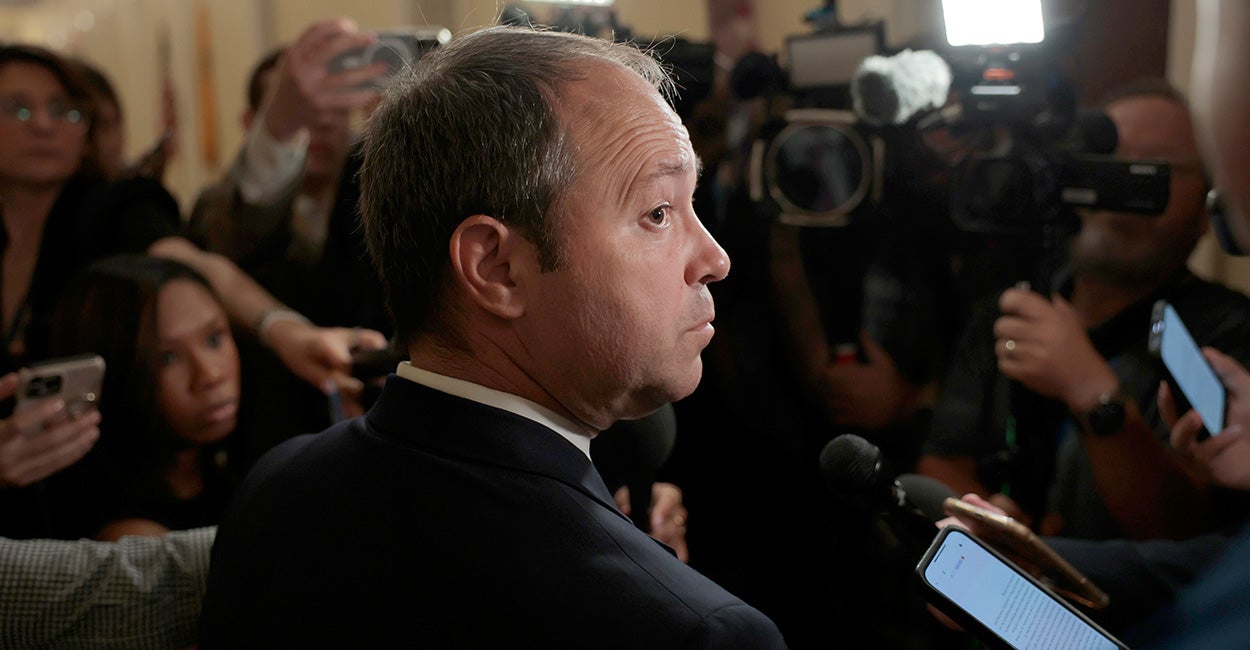
TOPEKA, Kansas (LifeSiteNews) – Kansas Democrat Gov. Laura Kelly issued two more likely short-lived vetoes of pro-life legislation Monday, this time to strengthen informed-consent protections in the state.
HB 2727 makes it easier for women to sue physicians for violations of the state’s informed consent requirements before an abortion by letting them skip a potentially lengthy and costly review process by the medical malpractice screening panel first. HB 2729 standardizes and simplifies the informed consent form abortion-seeking women must sign to verify they have received the information required to be offered by Kansas’ Woman’s Right to Know Act, which includes fetal development facts, images, and videos, information about abortion’s risks, a directory of pregnancy assistance services, and the rights and responsibilities of both mother and father.
Kelly announced her latest batch of vetoes Monday, condemning both measures as attempts to interfere in “women’s private health care decisions” and falsely claiming that informed consent “requires the state to put false medical information out that has no scientific basis and only serves to mislead women.”
“Time and time again we are told by the abortion industry that informed consent is too burdensome and that the form itself is a harm. H.B. 2729 actually (lessens) this burden and ensures that everyone knows whose speech it is, leaving the abortionist provider to contradict any information that may be provided by the State while protecting women’s right to information,” Kansas Family Voice president Brittany Jones responded. “Further, when a woman has not received informed consent as required by law, she deserves a meaningful way to enforce her statutory rights. Medical malpractice screening panels were meant for complicated medical issues, not simple statutory claims.”
The vetoes are likely to be reversed swiftly by the Republican-controlled state legislature, which has overridden many of Kelly’s vetoes on pro-life and other conservative policies, including protection of pregnancy centers from government coercion, keeping men out of women’s restrooms, requiring fetal development education in classrooms, and preventing the state from forcing foster parents to affirm LGBT dogma.
Pro-life activists support and abortion defenders oppose informed-consent policies, especially prenatal images, for the same reason: their ability to convey the humanity of preborn babies and dissuade women from abortion.
Pro-life group Save the Storks says that four of five pregnant women who see one of their free ultrasounds ultimately choose life. The similar ICU Mobile says its ultrasounds have convinced 56 percent of women who had already decided on abortion to change their minds, and 87 percent of those who were undecided to choose life. In addition, a 2011 study by Quinnipiac University’s Mark Gius concluded that “ultrasound laws had a very significant and negative effect on the abortion decision.”
Audio of fetal heartbeats, which generally begin as early as six weeks, has a similar effect, leading abortion defenders to falsely claim that such sounds do not depict heartbeats at all but instead mere “electrical activity.” In fact, as explained in the medical textbook Anatomy & Physiology, the heart “begins beating and pumping blood around day 21 or 22, a mere three weeks after fertilization,” with the physical structure taking shape a week later and valves forming between weeks five and nine.
Recent Top Stories
Sorry, we couldn't find any posts. Please try a different search.