Historians Will Say World War III Already Began | Armstrong Economics
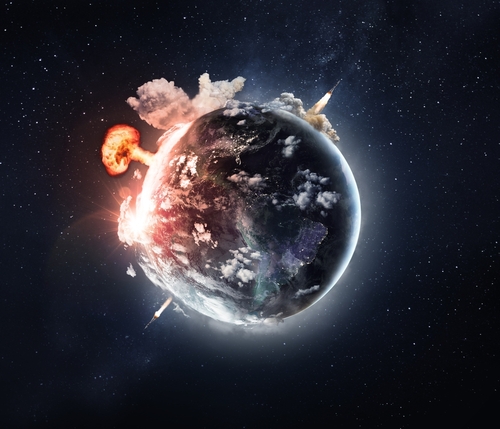
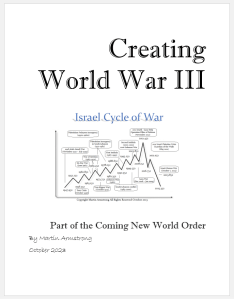
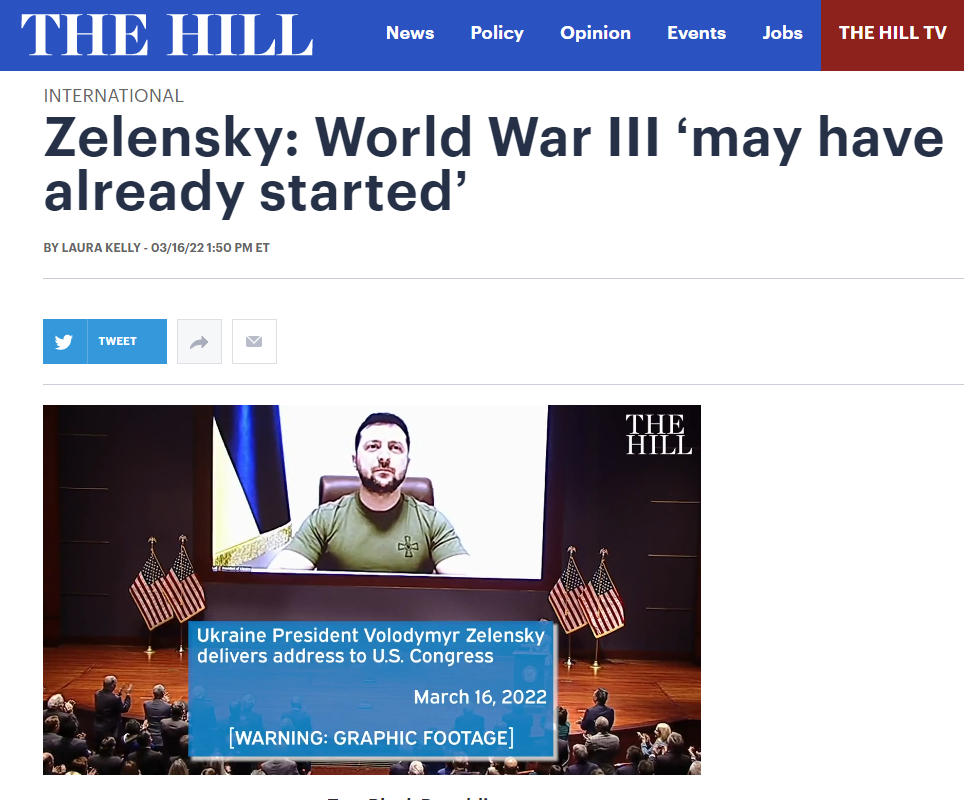
For years, the press has insisted that every conflict must be viewed in isolation: Ukraine is separate from the Middle East, China is separate from Russia, and Iran is simply another regional crisis. But history rarely works that way. When historians look back at major wars, they rarely begin them on the date politicians announce them. World War I did not suddenly begin with a single shot in Sarajevo, and World War II was not simply the invasion of Poland. The causes were decades in the making. The uncomfortable reality is that when historians eventually write about this period, many will likely conclude that what we are witnessing today is the early phases of a world war.
One of the greatest mistakes made after the Cold War was the assumption that the ideological struggle had been permanently resolved. The collapse of the Soviet Union was treated as a final victory rather than the end of a phase. Yet no durable geopolitical framework was created to integrate the defeated power structure into a stable international system. After World War II, the United States and its allies invested enormous resources into rebuilding Europe and Japan through the Marshall Plan and establishing institutions such as the United Nations and the Bretton Woods financial order. Those efforts created stability and prevented the reemergence of the same ideological conflict that produced two world wars. After the Cold War, nothing comparable was built.
Instead, Russia and other former Soviet states were left to endure economic collapse, political humiliation, and social chaos during the 1990s. Entire populations watched their national power evaporate while Western institutions expanded eastward. Whether one agrees with the political narratives or not is irrelevant. What matters historically is that unresolved tensions remained. Just as the Treaty of Versailles failed to resolve the deeper contradictions after World War I, the end of the Cold War left grievances that continued to grow beneath the surface.
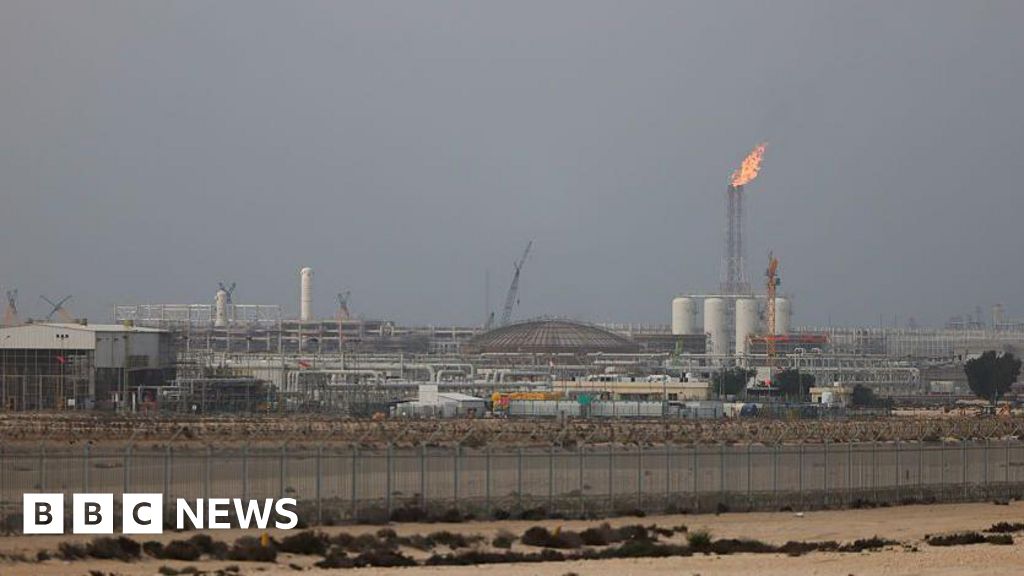
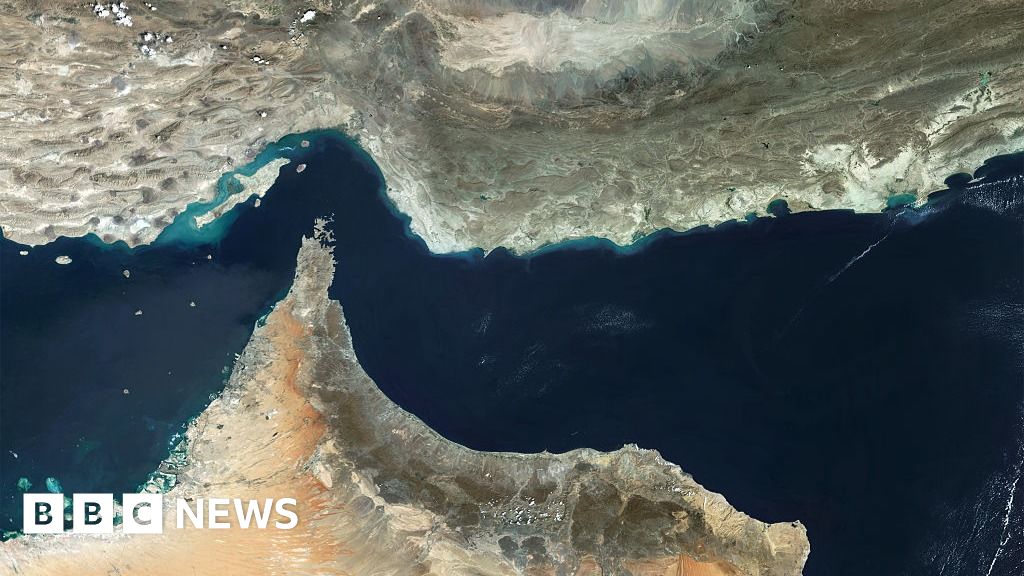
Now those unresolved tensions are resurfacing simultaneously across multiple regions. Russia is locked in confrontation with the West in Ukraine. China is challenging the global economic and military balance in the Pacific. The Middle East is once again erupting, with Iran increasingly aligned with Russia and China as geopolitical pressure mounts. These are not isolated events. They are overlapping theaters of strategic competition that increasingly resemble the early stages of great-power conflict.
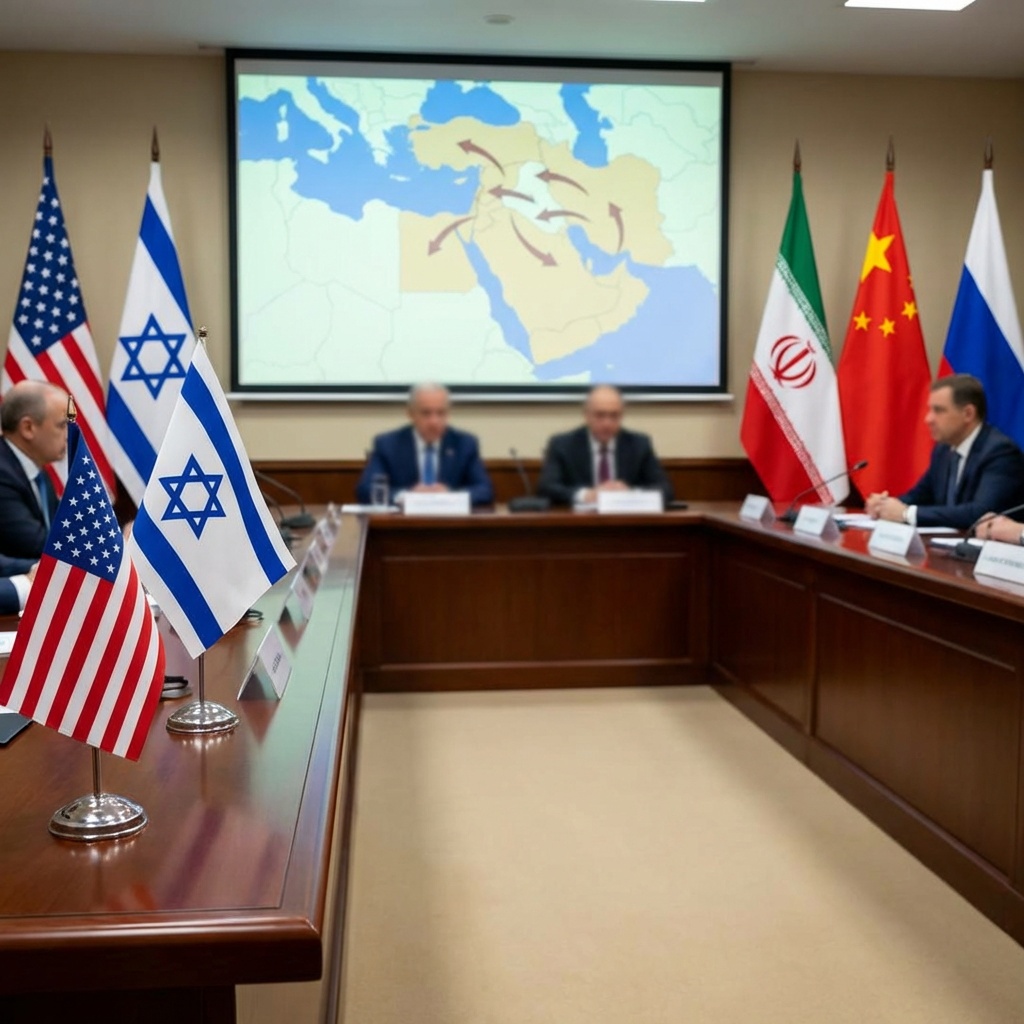
The Economic Confidence Model has long projected that the period around 2026 would mark a geopolitical turning point. That does not mean a sudden global war declared overnight. Historically, major conflicts emerge through a series of regional crises that gradually merge into a broader struggle. The Panic Cycle expected in 2027, and the larger turning point into 2028, suggest rising volatility and confrontation across multiple fronts. What we are seeing today fits that pattern perfectly. If history is any guide, future historians may not mark the beginning of the next world war with a single event. They may instead look back and say the war had already begun during this decade but we simply failed to recognize it at the time.
Categories: War
Recent Top Stories
Sorry, we couldn't find any posts. Please try a different search.