British museum accused of ‘rewriting history’ after claiming Victorian boys were ‘gender-fluid’
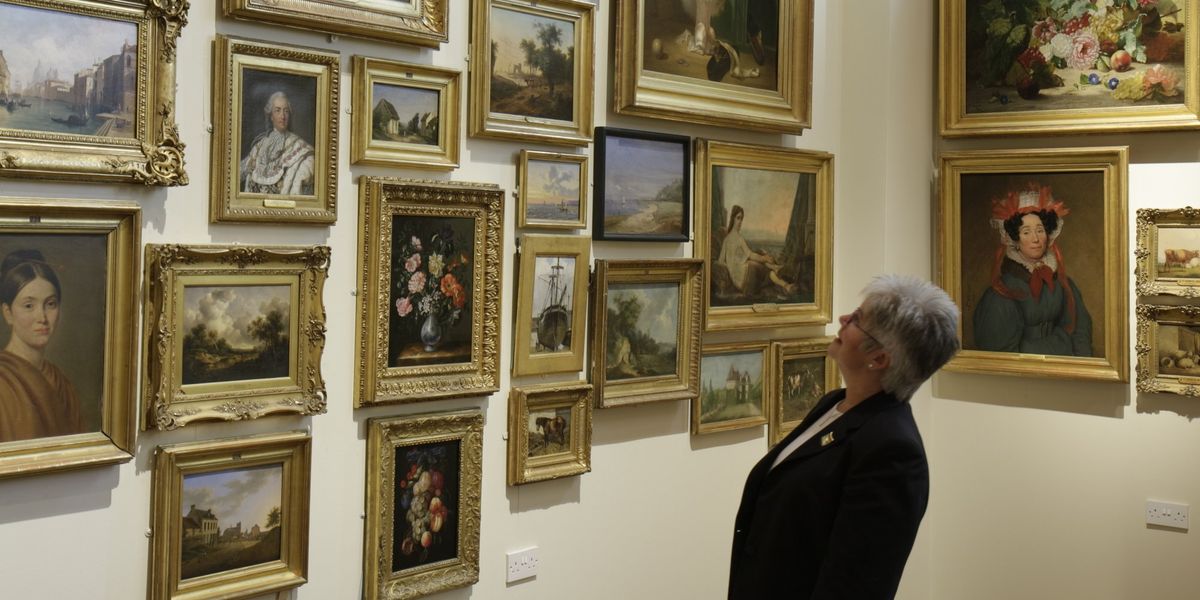
A leading museum has claimed that Victorian boys could be considered “gender-fluid” because they wore dresses until around the age of eight.
The Bowes Museum in Barnard Castle, County Durham, has come under fire for linking the historical practice of “breeching” to contemporary ideas about gender.
The museum, which first opened its doors in 1892, displays two boys’ dresses from the Victorian period.
An “LGBTQIA+ leaflet” distributed to visitors suggests the 19th-century clothing tradition demonstrates gender fluidity existed in the past.
Critics have accused the institution of attempting to rewrite history by presenting modern gender ideology as something with centuries-old roots.
The museum’s leaflet challenges assumptions about historical gender norms, explaining that both boys and girls wore dresses during infancy for practical reasons.
“It’s often assumed that gender binaries (the classification of gender into two opposing categories: male and female) have always been strictly enforced and that gender fluidity is a recent development,” it reads.
“However, this is not true. Throughout history, gender distinctions in children’s clothing were less rigid, especially in early childhood.”
The Bowes Museum (pictured) has claimed that Victorian boys could be considered ‘gender-fluid’
|
GETTY
The pamphlet adds: “The transition from dresses to trousers, known as ‘breeching’, marked an important cultural milestone for boys, typically occurring between ages four and seven, depending on family traditions.”
Critics acknowledge that breeching was a genuine historical fashion trend – but reject claims it indicated gender fluidity.
Helen Joyce, the director of advocacy at Sex Matters, told The Telegraph: “The idea that Victorian children were ‘gender fluid’ because of practicalities relating to clothing is absolute nonsense.
“The so-called ‘opposing categories’ of male and female, as the museum puts it, are to do with biology and have nothing to do with little boys wearing dresses instead of trousers because elastic was a brand new invention and not widely used.
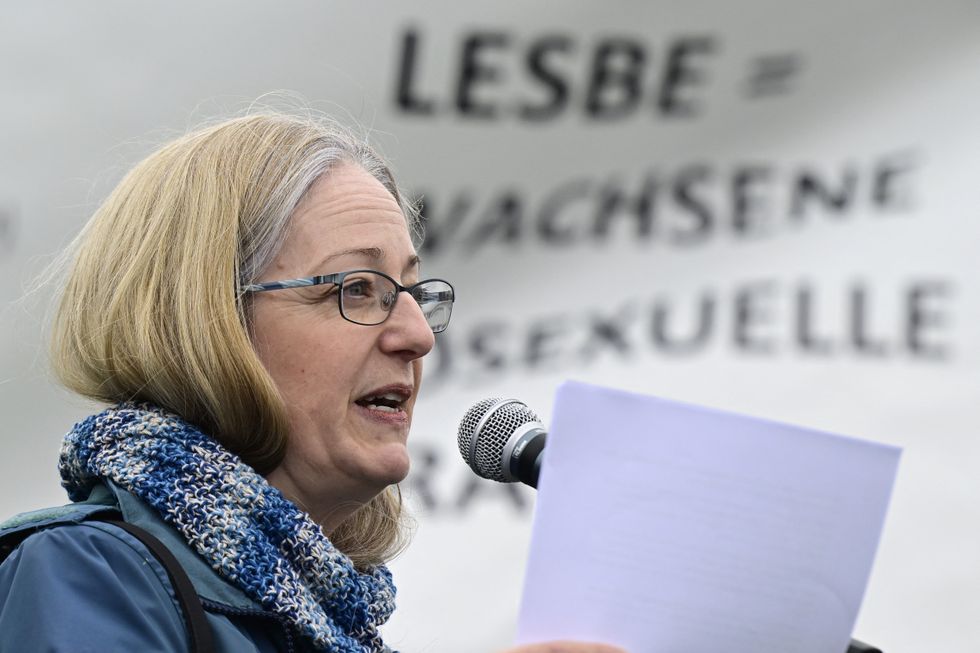
‘The idea that Victorian children were “gender fluid” because of practicalities relating to clothing is absolute nonsense,’ Helen Joyce said
| GETTY
“This is the latest example of the cultural sector desperately rewriting history to pretend that the fantasies of gender ideologues aren’t a modern invention.”
Alka Sehgal Cuthbert, director of Don’t Divide Us, suggested the museum was experiencing an identity crisis.
“It seems to think its job is to reflect back lived experience of particular groups,” she said.
“It might be what a therapist would do, but a museum’s job is surely to curate and care for artefacts of interest that shed light on Britain’s past, whether national or local.”
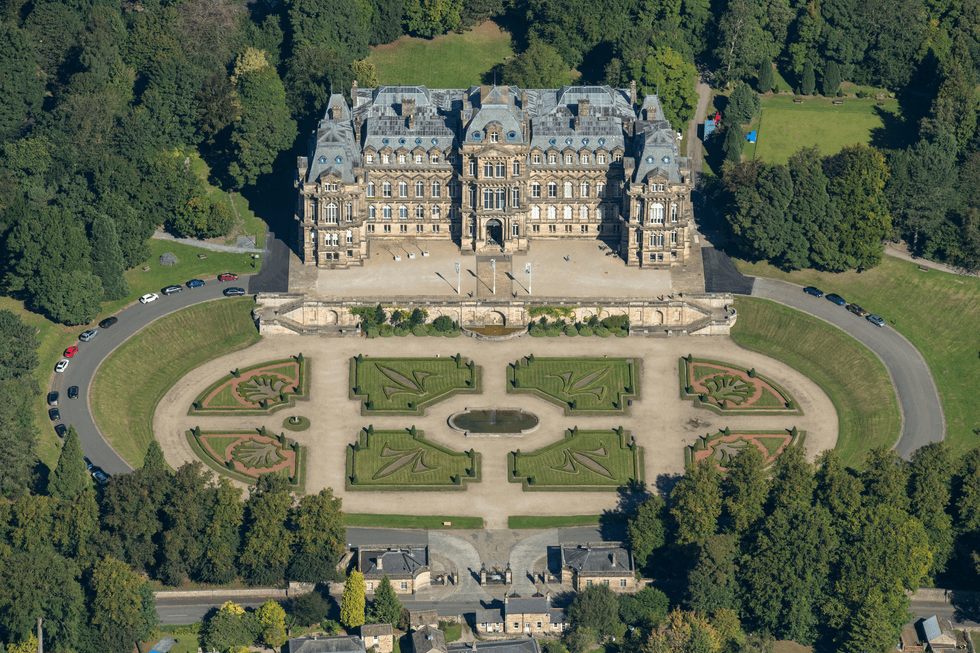
‘We established an LGBTQIA+ community working group to explore the stories and emotions held within the collection,’ a museum spokesman said
|
GETTY
The Bowes Museum operates an LGBTQIA+ working group comprising volunteers, staff members and local residents.
The group’s stated aim is to uncover hidden stories connected to members’ own lived experiences while highlighting the diversity of sexuality and gender within the collection.
The museum itself has defended its claims about gender.
“As part of our commitment to equity, we established an LGBTQIA+ community working group to explore the stories and emotions held within the collection through lived experience,” a spokesman said.
“The group has selected and researched artworks reflecting LGBTQIA+ histories, co-producing a new trail that offers fresh perspectives for all visitors. This trail has been available in the museum for over a year.”
Recent Top Stories
Sorry, we couldn't find any posts. Please try a different search.