The Sludging of Rural America
In recent weeks, a major pipeline erupted in Maryland spilling over 243 million gallons of sewage into the Potomac River that flows along the southern border of Washington, D.C. You couldn’t have missed this news because it was reported everywhere: NPR, NBC, the New York Times, and Wall Street Journal.
Even the British Guardian ran several stories, reporting that the sewage spill caused a rift between Maryland’s Governor and President Trump over who bears blame.
A disaster declaration was approved.
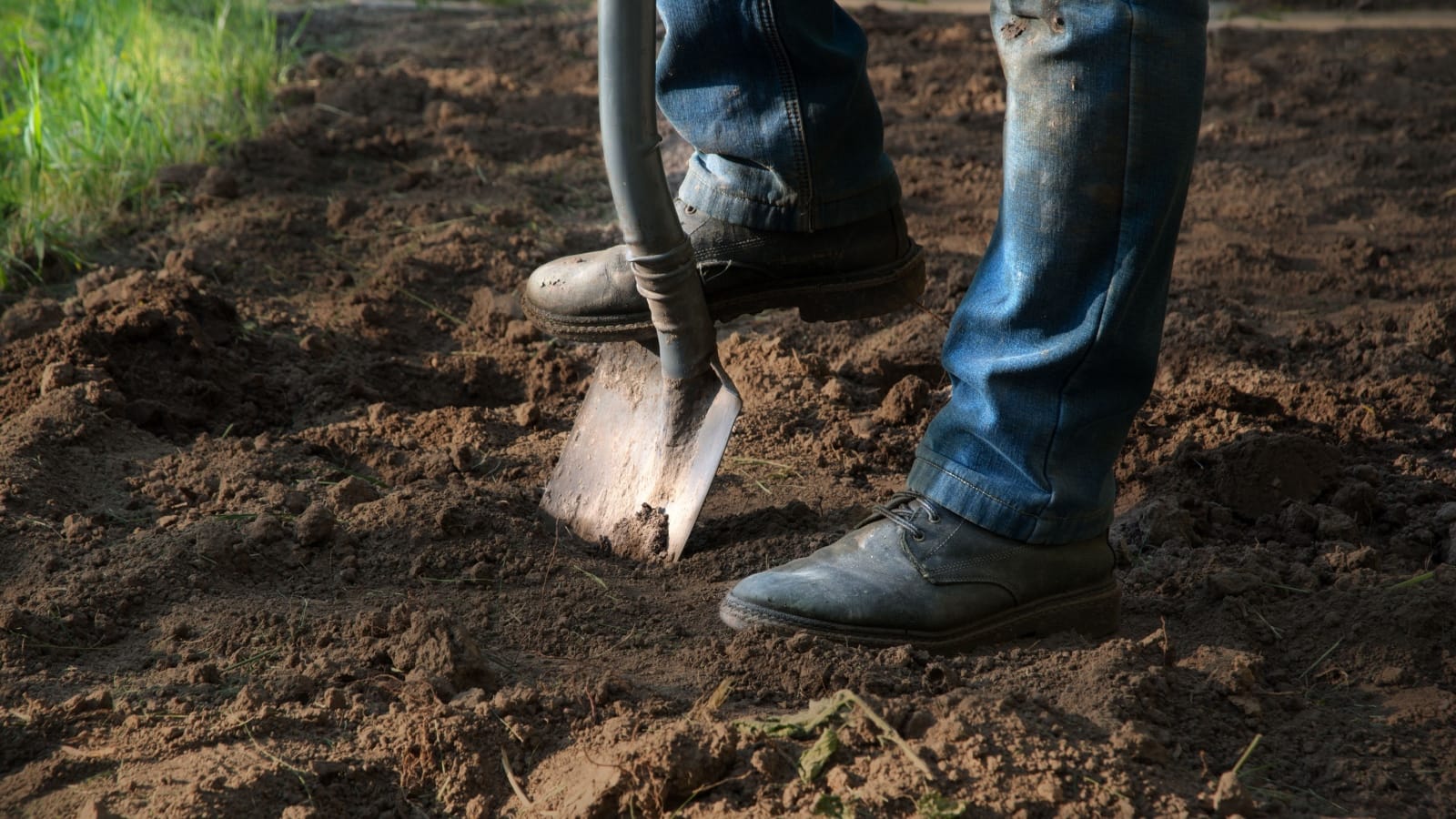
But each year, as our primary means of sewage disposal, millions of tons of toxic sewage sludge, labeled as “biosolids,” are spread as agricultural fertilizer across our nation’s farmland, where rural Americans call home. I know this because my family lived it, and it made us very sick. We had to leave our home to save our health.
The unthinkable illnesses my family suffered motivated me to seek independent facts. After all, we had authorities at every level telling us that this practice was safe, but our experience told us otherwise.
What we uncovered in our testing and research—including the statistically significant increased relative risk of disease in a community where sludge is used on farmland—left us no option but to take action.
I founded the nonprofit Mission503, to not only raise awareness of this practice, but to end it, and lead the way to real solutions.
As Americans are aligning on concerns regarding toxic chemical exposure, including PFAS from sludge practices, it’s timely to share some of our key findings. But first, let’s level set on three quick things about our nation’s sewage disposal practices.
Number one. Sewage sludge is the solid material that remains after liquid is separated from wastewater that enters the nation’s sewer plants. It’s typically the consistency of thick brownie batter. While the facilities are designed to treat and discharge the liquid effluent into our natural waters, like rivers, streams, and lakes, the cleaner the liquid, the more concentrated the toxins and pathogens are in the solids. Although sludge is considered “treated” and is often digested to reduce its volume, the more than 17,000 sewer plants in the US are neither engineered for, nor mechanically capable of, safely disposing or destroying sewage solids.
Number two. Consider what flows into city sewers—then imagine it concentrated. Sludge isn’t just flushed toilets (though human waste is chemically and biologically hazardous); it is the condensed residual of everything entering the sewer system: industrial and manufacturing discharge, institutional and medical waste, mortuary and slaughter operation drains, residential waste, street drains, fuels, narcotics, poisons, parasites and pathogens, microplastics, toxic chemicals—including PFAS “forever chemicals”—and so much more.
Number three. Yes, we have a US federal rule, 40 CFR Part 503, that promotes using municipal sewage sludge as fertilizer on agricultural land—where food is grown, beef and dairy cattle graze, among rural communities across the nation. For sludge to qualify for land application (the term for spreading sludge on farmland), the rule regulates only nine metals and a fecal indicator. All other pollutants are ignored. Even mercury, lead, and arsenic are allowed at certain levels, meaning these toxic metals can legally be present in sludge.
We’ve utilized this practice for decades and have successfully kept it off the American people’s radar. Sludge is rebranded as “biosolids,” promoted as “beneficial reuse,” and misleadingly described as “organic,” while farmers are not informed of its contents. Medical practitioners and researchers are largely unaware of it as well, complicating diagnosis and treatment for families who suffer illness from it. That, alone, is a topic for another day.
Proponents of the rule—those whose budgets generally benefit from it and are contractually bound to deploy it—often refer to sludge practices as “highly regulated.” The chemical and biological realities revealed in our testing would characterize the practice as hardly regulated. But let’s be clear. No amount of regulation (or treatment, for that matter) can make toxic sewage sludge a safe, legitimate fertilizer.
When we bought our place in rural Oklahoma City we had no idea, no disclosure, no awareness that our nation discarded its sewage sludge on farmland or that Oklahoma City would be dumping theirs next door to our home.
Over the course of many years, my family’s illnesses were significant. Among them were MRSA infections, respiratory disorders, cryptosporidium, rotavirus, adenovirus, GI disorders, heart arrhythmias, skin infections, rashes, hospitalizations, chronic strep infections, including strep throat so severe my doctor suspected it had abscessed into my brain. Our pets also suffered many illnesses, such as allergic reactions, skin and eye infections, seizures, tremors, and respiratory illness. While living in this forest, however, we couldn’t fully see the trees.
It wasn’t until we began conducting independent testing of the sludge—and identifying the pathogenic and toxic complexity of what we’d been breathing—that we began scientifically connecting dots to not only our infections, but also to other illnesses that might not seem obvious with sewage sludge exposure. Sudden and severe onset of endometriosis makes sense when you discover you’ve been breathing a cocktail of dioxin, phthalates, and countless organic compounds.
Our goal for conducting independent testing was not to launch a crusade, but simply to gather facts to share with our local leaders. As a mom, I believed the sludge was making my family sick and hoped the evidence would show that federal and state regulations were not only failing to protect us and our community but were also misleading our local officials.
However, our testing began revealing highly troubling facts, each one compelling us to dig deeper, a process that spanned more than six years and led us to one conclusion—the federal 503 Rule was inflicting illness on our people and contaminating our nation.
A few important things to note about our research: our sludge testing used legally obtained samples that met federal and state sludge regulations; our environmental sampling followed proper protocols and maintained chain of custody; we utilized certified commercial labs and gold-standard research labs holding proper certifications; our community health analyses utilized publicly available hospital discharge data accessed in accordance with established guidelines; and for many studies, we collaborated with some of the top researchers in the nation.
In summary form, these are some of our key findings. Detailed lab reports and supporting documents are provided at Missions503.org:
- Yes, sludge contains the nine regulated metals, plus 21 others. Many metals are individually classified as carcinogenic or neurotoxic, while inhalation exposure to multiple metals simultaneously has compounding health effects.
- Statistical analyses show that metals’ presence and concentrations in animal lung and liver tissues within our studied community closely correlate with metals in locally land-applied sludge, with associations exceeding what could be considered chance.
- Viable, culturable, bacterial pathogens were found in our federally compliant sludge with gram-positive cocci—staph and strep—being the most prevalent.
- Soon after sludge was applied, four of the six antibiotic-resistant pathogens—that are most prevalent among deaths from drug-resistant infection—were viable in the sludged soil; and 30 days after land application, three were still viable in the soil.
- Metagenomic sequencing conducted on our samples showed significant presence of antibiotic-resistant genes signaling resistance to critical drugs of last resort.
- RNA and DNA evidence indicate that human viruses and zoonotic parasites (which infect both humans and animals) can become airborne from sludge and infect neighboring families. (This medical episode could’ve taken my life.)
- In a 44-minute headspace study, sludge released 100 organic compounds into the air. Inhalation of SVOCs and VOCs is associated with leukemia, bone and other cancers, liver and kidney disease, immune and reproductive disorders, gender dysphoria, central nervous system damage, and other illnesses.
- PFAS (“forever chemicals”) in the sludged topsoil we tested were in excess of 75,000 ppt. Topsoil becomes dust in homes. For comparison, the maximum contaminant level for PFOA in drinking water is 4 ppt.
- Dioxin is among the most toxic substances known to mankind. More than 140 dioxins, furans, and dioxin-like PCBs were detected. Dioxin was also detected in animal lung tissue in our studied community, indicating plausible inhalation exposure for nearby families.
- DNA shows sludge becomes airborne and travels into the homes of neighbors.
- The relative risk of disease in our studied community—where my family lived for many years, and where sludge has been land-applied for decades—shows more than 125 diagnoses with statistically significant greater risk compared to our State of Oklahoma, including myeloid leukemia, bone cancer, infection, mental health and cognitive disorders, birth defects of the limbs, heart and lung disease, reproductive disorders and many other life-altering conditions.
- And remember, for land application, the federal rule ignores all pollutants except nine metals and a fecal indicator.
We also learned some things about the marketing tactics for “biosolids:”
- Referring to sewage sludge as “organic” is deceptive. In the context of sludge, organic simply means carbon-containing. Our samples were approximately 65 percent organic carbons. PFAS are organic. Benzene is organic. Both are in sludge.
- Yes, there are plant nutrients commingled in toxic sludge, such as nitrogen—and very high levels of phosphorus, which the rule doesn’t disclose. Excess nutrient is also pollution.
- If Truth in Advertising and fertilizer disclosure laws applied to the marketing of “biosolids,” toxic sewage sludge wouldn’t be used as fertilizer.
We recognize variances exist across sludges, treatment methods, classifications, sewer plants and waste streams. No two grams are identical. However, volumes of scientific literature corroborate our concerns, which are also available on our website.
A large portion of our nation’s toxic sewage sludge is land applied in rural communities across our beautiful land. Americans’ exposure to pollutants in sludge goes beyond even those communities.
The federal 503 Rule allows food, feed, and fiber crops to be grown on sludged soil. Beef and dairy cattle can be grazed after 30 days. Tobacco and cannabis—considered “super accumulators” of heavy metals in soils—can also be grown on toxic sludge.
The recent catastrophic impact on farmers’ lives and livelihoods from PFAS contamination has been an unthinkable tip of the iceberg. The disease and toxic chemicals being ushered into the lives of Americans through our sewage disposal practices are potentially beyond measure. Unless you’re one of the countless rural families living with sludge next door to your home, where it’s measured in medical bills, time off work, chronically sick children, and loss of basic freedoms.
So how do we solve this? We get honest and recognize two things: dumping our toxic and pathogenic sewage sludge where millions of Americans live is harming our nation, and we need infrastructure solutions where sewage solids can be delivered and safely, responsibly destroyed. American innovation can solve this if we choose to, which is why we are calling upon President Trump to meet with us to begin a path towards solutions.
So, we concur, sewage in the Potomac is a federal disaster. But so is sewage sludge on our nation’s farmland. Please help us raise awareness.

Recent Top Stories
Sorry, we couldn't find any posts. Please try a different search.